Dental anxiety is a genuine condition that affects approximately one in ten UK adults so severely that they avoid the dentist entirely, often leading to pain and extensive treatment that could have been prevented. Surveys have found that one in seven British people would sooner go through a divorce than face a dental appointment. This is not a character flaw or an overreaction. It is a recognised psychological response with identifiable causes and, importantly, effective solutions.
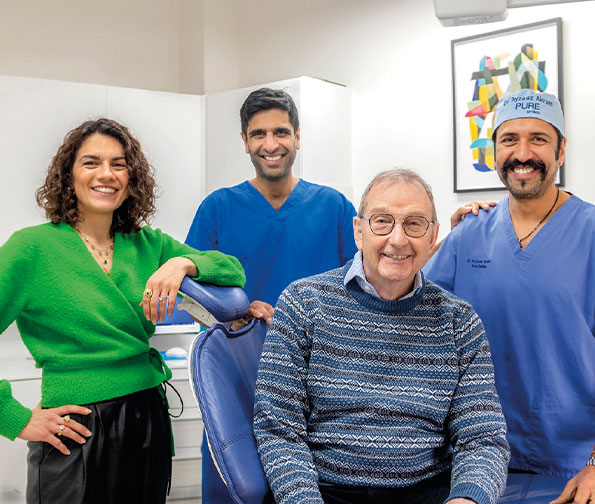
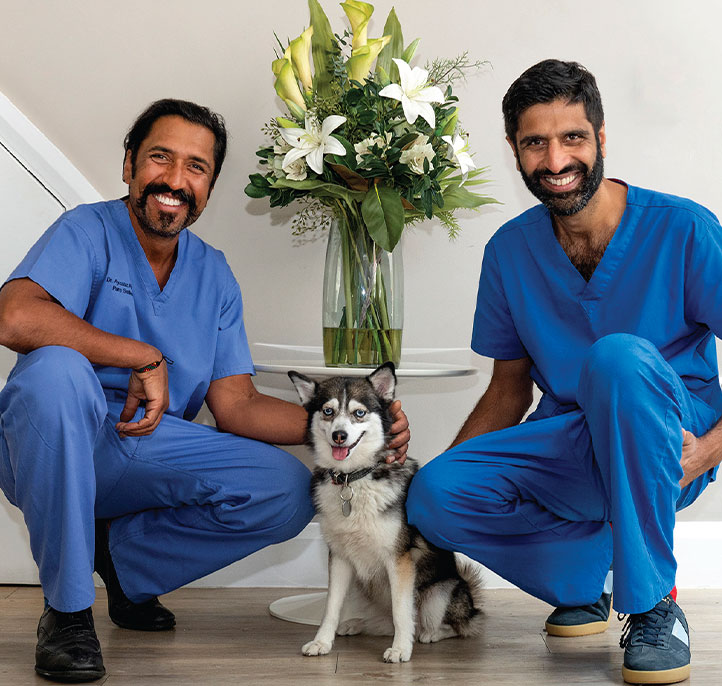
At learn more Pure Smiles in Fulham, helping nervous patients is a central part of what we do. Dr Ayzaaz Akram (BDS Liverpool, GDC 70996) is a qualified clinical hypnotherapist who has helped hundreds of anxious patients receive the dental care they need comfortably and without distress.
Dental anxiety is far more widespread than most people realise. Understanding the numbers helps patients recognise that they are not alone and that dental practices are well-equipped to manage this.
| **Statistic** | **Detail** |
|---|---|
| Adults with some dental anxiety | Approximately 36% of the UK population |
| Adults who avoid the dentist due to fear | Approximately 12% (1 in 10) |
| Would rather divorce than visit the dentist | 1 in 7 UK adults |
| Top fear: having a tooth drilled | 30% of anxious patients |
| Top fear: local anaesthetic injection | 28% of anxious patients |
| Women more affected than men | Slightly higher prevalence in women |
These numbers represent millions of people who put off dental care, often for years. The consequence is that minor issues that a routine check-up would catch early develop into painful, complex and expensive problems.
Dental anxiety is not a single condition with a single cause. Different patients fear different things, and understanding your specific triggers is the first step towards managing them.
A painful or distressing childhood dental visit is one of the most common causes of lifelong dental anxiety. The memory of pain, feeling out of control, or feeling dismissed by a previous dentist can create lasting associations that are difficult to override without deliberate effort.
The anticipation of pain is often worse than the reality. Modern dentistry is far less painful than it was even a decade ago, with techniques such as computerised anaesthetic delivery systems that numb individual teeth without the discomfort of traditional injections. However, if your last dental experience was many years ago, your expectations may not reflect current reality.
Lying back in a dental chair with your mouth open while someone works above you is an inherently vulnerable position. For people who struggle with control, this can trigger significant anxiety. Agreeing on a stop signal with your dentist, such as a raised hand, gives you back a sense of agency.
Many people who have avoided the dentist for a long time worry about being judged for the state of their teeth. At Pure Smiles, there is no judgement. Our role is to assess your current oral health and help you improve it, not to comment on what has or has not happened in the past.
The sounds, smells and bright lights of a dental surgery can be distressing for some patients, particularly those with sensory processing differences. Headphones, TV screens and a calm, unhurried approach all help manage these triggers.
At our Fulham practices, we have developed specific approaches for patients with dental anxiety. These are not afterthoughts or extras. They are built into how we work.
We practise what we call learn more “slow dentistry.” This means your appointment is paced to suit you. We never rush, we explain everything before we do it, and we stop whenever you need a break. Every concern you raise is taken seriously, no matter how small it might seem.
Before any treatment begins, your dentist will discuss what will happen at each step. You will agree on a stop signal, a simple hand raise or tap, that means “pause.” This signal is always respected immediately. You are in control of the pace of your treatment.
Dr Ayzaaz Akram is a qualified clinical hypnotherapist. Hypnotherapy is a safe, evidence-based technique that communicates with your subconscious mind to reduce the fear response. It is not stage hypnosis. It is a calm, focused process that helps with dental phobias, gagging reflexes and teeth grinding. Many patients also learn self-management techniques they can use in future appointments.
For patients with severe anxiety, we offer intravenous sedation. This is not a general anaesthetic. You remain conscious and can cooperate with your dentist, but you feel deeply relaxed and calm. Most patients remember very little about the procedure afterwards. Dr Akram is our in-house sedation provider and has extensive experience using this technique to help anxious patients complete treatments they would otherwise avoid.
During treatment, you can watch TV on a screen or listen to music through personal headphones. These distractions help redirect your attention away from the dental procedure and are especially effective for patients whose anxiety is triggered by the sounds of the surgery.
The irony of dental anxiety is that avoiding the dentist almost always leads to the very outcomes people fear most. A small cavity that would take minutes to fill becomes a painful infection requiring root canal treatment. Early-stage gum disease that a hygienist could manage develops into periodontitis with potential tooth loss.
Prevention is simpler, faster, less painful and significantly less expensive than treatment. Regular check-ups catch problems before they cause pain.
At Pure Smiles, we recommend seeing your dentist at least once a year and your learn more hygienist every six months. If anxiety has kept you away, your first appointment with us can be purely a conversation. No examination, no treatment, just a chance to meet the team and see the practice.
Book an appointment at our Fulham practices on New Kings Road (SW6 4RB) or Fulham Road (SW6 5SH) by calling 020 7736 6276 or emailing reception@puresmiles.co.uk.
Yes. Dental anxiety and dental phobia are recognised conditions. Dental phobia is classified as a specific phobia under diagnostic criteria, and it affects a significant percentage of the population. It is not something to be embarrassed about, and it is very treatable with the right support.
No. At Pure Smiles, we see patients who have avoided the dentist for five, ten, even twenty years. There is no judgement. Our focus is entirely on your current oral health and what we can do to help you going forward.
With IV sedation, you remain conscious and able to respond to your dentist, but you feel deeply relaxed and usually remember very little afterwards. A general anaesthetic renders you completely unconscious and is only used in hospital settings. Dental sedation is much safer, requires no hospital stay and allows you to go home the same day.
Yes. Clinical hypnotherapy is an evidence-based technique that helps many patients manage dental anxiety effectively. It works by addressing the subconscious fear response and teaching you coping strategies. Dr Ayzaaz Akram at Pure Smiles is a qualified clinical hypnotherapist with extensive experience helping dental phobia patients.
We plan for this. Before treatment starts, you agree a stop signal with your dentist. The moment you signal, we stop. You can take as long as you need before continuing or you can reschedule. You are never pressured to continue if you are not comfortable.