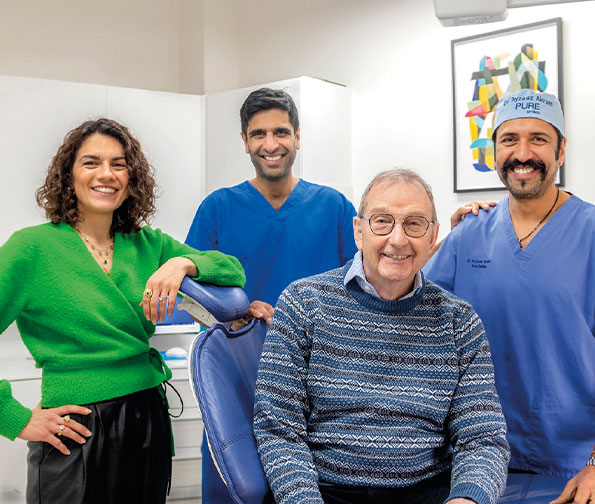
Brushing twice a day is essential, but it is not the only thing your teeth need. Several simple daily habits can significantly improve your oral health when combined with proper brushing. Here are five evidence-based tips recommended by the dental team at Pure Smiles in Fulham.
Your tongue is one of the largest surfaces in your mouth, and it collects bacteria, food debris and dead cells throughout the day. This build-up is a leading cause of bad breath and can contribute to plaque formation on your teeth.
Cleaning your tongue is not complicated. A gentle brush with your toothbrush each time you clean your teeth is enough for most people. Alternatively, a dedicated tongue scraper can be more effective at removing the coating of bacteria.
| Tongue Cleaning Method | Effectiveness | Best For |
|---|---|---|
| Toothbrush bristles | Good | Quick daily maintenance |
| Dedicated tongue scraper | Very good | Persistent bad breath |
| Mouthwash alone | Limited | Temporary freshness only |
Flossing removes food particles and plaque from between teeth where your toothbrush cannot reach. This is not optional. Interdental cleaning is essential for preventing gum disease and cavities in the spaces between teeth.
Beyond removing debris, flossing stimulates the gums, reduces plaque build-up and lowers the risk of inflammation. If you find traditional floss difficult to use, interdental brushes or water flossers are effective alternatives. Your dentist or hygienist at Pure Smiles can recommend the right option for your teeth.
Water is the simplest and most effective drink for oral health. It rinses away food particles and acids that accumulate between meals, and it helps your mouth produce saliva, which is the body’s natural defence against tooth decay.
Tap water in the UK also contains fluoride in many areas, providing an additional layer of protection for tooth enamel. Drinking water after meals is particularly beneficial, as it helps neutralise the acids produced by plaque bacteria.
Sugary and acidic drinks, by contrast, create an environment where decay thrives. Swapping just one sugary drink per day for water can make a measurable difference to your oral health over time.
This is one of the most common mistakes in oral hygiene. Many people rinse their mouth with water immediately after brushing, but this washes away the concentrated fluoride left by your toothpaste.
Fluoride strengthens tooth enamel and helps teeth resist decay. By spitting out excess toothpaste rather than rinsing, you allow the fluoride to remain in contact with your teeth for longer, increasing its protective effect.
If you feel you need to rinse, use a fluoride mouthwash at a different time of day, such as after lunch. Using mouthwash immediately after brushing is not recommended because it replaces the higher-concentration fluoride from your toothpaste with a lower-concentration rinse.
Crunchy fruits and vegetables like apples, carrots, celery and peppers act as natural tooth cleaners. The fibrous texture requires thorough chewing, which scrubs the surfaces of your teeth and stimulates saliva production.
This is not a replacement for brushing, but it is an effective way to reduce plaque build-up between meals. These foods also tend to be low in sugar and high in water content, making them a tooth-friendly snack choice.
| Crunchy Food | Dental Benefit |
|---|---|
| Apples | High fibre and water content; stimulates gums |
| Carrots | Contains keratins that help prevent decay |
| Celery | Fibrous texture scrubs tooth surfaces |
| Peppers | Rich in vitamin C, which supports gum health |
Brushing removes plaque from the surfaces of your teeth, but it only addresses part of your oral health. The spaces between teeth, the tongue, saliva flow and the protective role of fluoride all require attention. Combining these five habits with twice-daily brushing creates a comprehensive routine that significantly reduces your risk of cavities and gum disease.
At Pure Smiles in Fulham, our hygiene team can assess your current routine and provide personalised recommendations. Small adjustments often make the biggest difference.
Yes. Brushing alone misses approximately 40% of tooth surfaces. Flossing or interdental cleaning is the only way to remove plaque and food from between teeth, where cavities and gum disease frequently start.
A fluoride mouthwash can be beneficial, but timing matters. Use it at a separate time from brushing, such as after lunch, to avoid washing away the fluoride from your toothpaste. Your dentist can advise whether a specific mouthwash would benefit you.
There is no fixed amount specific to oral health, but drinking water regularly throughout the day, particularly after meals and snacks, helps rinse away acids and food particles. The general recommendation of six to eight glasses daily supports both general and oral health.
Diet plays a significant role but is not sufficient on its own. A low-sugar diet combined with proper brushing, flossing and regular dental check-ups provides the best protection against cavities.
—
For personalised oral health advice, book a hygiene appointment at Pure Smiles Fulham. Call 020 7736 6276 or visit us at 257 New Kings Road, SW6 4RB.