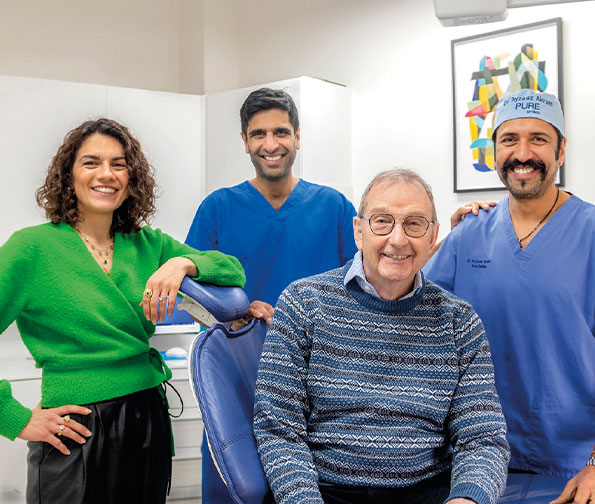
Getting braces is a significant step towards a straighter, healthier smile — but it is natural to feel nervous if you are unsure what to expect. Whether you are considering treatment for yourself or a family member, understanding the process in advance helps you feel prepared and confident. At Pure Smiles in Fulham, we have extensive experience in orthodontics and teeth straightening, and we want every patient to begin treatment with realistic expectations.
Here are six important things you should know before getting braces.
Before any orthodontic treatment can begin, your teeth and gums need to be in good condition. Braces create additional surfaces where plaque can accumulate, so starting with a clean, healthy mouth is essential.
Your dentist may recommend:
This preparation stage is not optional — it protects your teeth throughout the duration of your orthodontic treatment and ensures the best possible outcome.
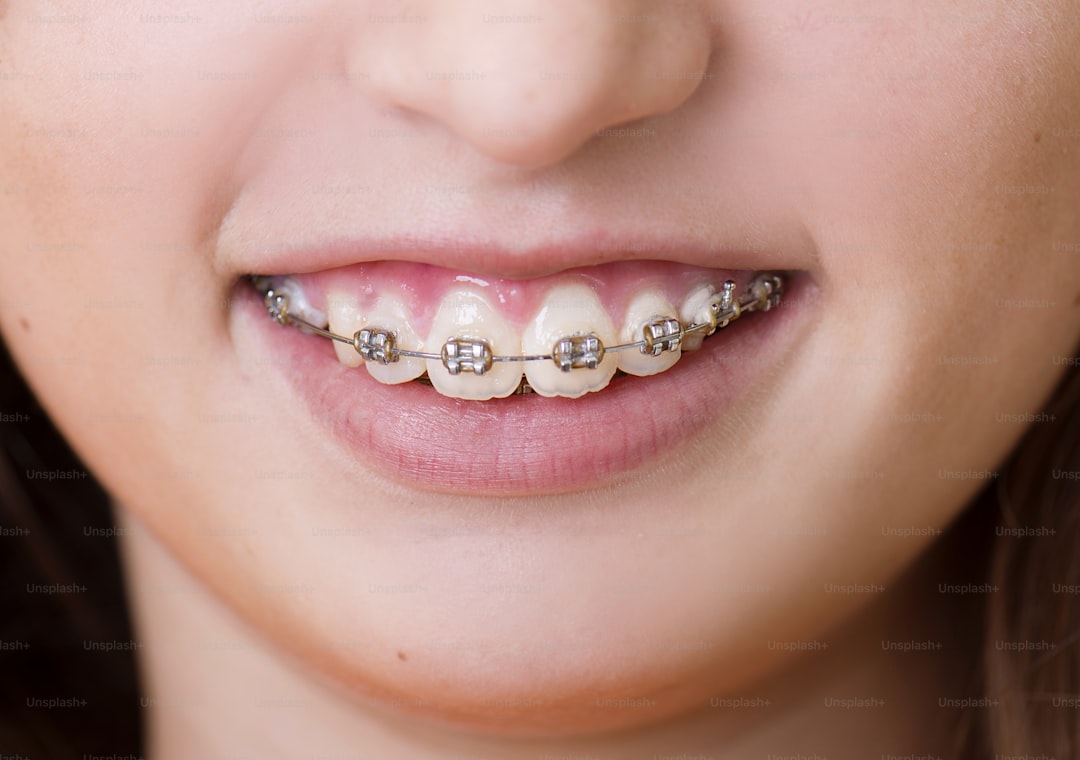
Braces are not one-size-fits-all. The right type for you depends on the complexity of your case, your lifestyle, and your aesthetic preferences. Your dentist will help you choose the most suitable option.
| Type | How It Works | Visibility | Treatment Time |
|---|---|---|---|
| Traditional metal braces | Steel brackets and wires bonded to the front of teeth | Visible | 12-24 months |
| Lingual braces | Metal brackets bonded to the inside (tongue side) of teeth | Hidden | 12-24 months |
| Inman Aligner | Removable aligner using spring-loaded bars | Minimal | 6-16 weeks |
| Invisalign | Custom-made clear, removable aligners replaced every 1-2 weeks | Nearly invisible | 6-18 months |
[Invisalign]learn more has become one of the most popular options for adults and older teenagers because the aligners are virtually invisible, removable for eating and cleaning, and typically require fewer dental visits than traditional braces.
The fitting of braces is generally painless. However, your mouth needs time to adjust to the new pressure being applied to your teeth, and you will likely experience some soreness during the first one to two weeks.
Common sensations include:
This discomfort is normal and typically subsides as your mouth adapts. Over-the-counter pain relief such as ibuprofen can help, and orthodontic wax can be applied to brackets that rub against soft tissue.
With Invisalign, discomfort tends to be milder because the aligners apply gentler, more distributed pressure. Some tightness is felt each time you switch to a new set of aligners, but it usually passes within a day or two.
Fixed braces require dietary adjustments to avoid damaging the brackets and wires. Foods to avoid include:
These restrictions apply throughout the entire treatment period. Eating the wrong foods can dislodge brackets, bend wires, and extend your overall treatment time.
One of the significant advantages of Invisalign is that there are no dietary restrictions. You simply remove your aligners before eating and drinking (anything other than plain water), then clean your teeth before putting them back in. This makes Invisalign particularly appealing for patients who do not want to change their eating habits.
Orthodontic treatment timelines are individual. The duration depends on the complexity of the misalignment, the type of braces used, and how well you follow your treatment plan.
General timeframes:
Consistency matters. With removable aligners like Invisalign, you need to wear them for 20 to 22 hours per day for the treatment to stay on schedule. Missing wear time will extend your treatment.
Braces create additional areas where food and plaque can become trapped. Maintaining excellent oral hygiene throughout your treatment is critical to avoiding decay, staining, and gum problems.
Essential hygiene practices during orthodontic treatment include:
With Invisalign, hygiene is simpler because you remove the aligners to brush and floss normally. However, you must clean your teeth before reinserting the aligners to prevent trapping bacteria against your enamel.
Absolutely. There is no upper age limit for orthodontic treatment. In fact, adult orthodontics is one of the fastest-growing areas of dentistry. Treatments like Invisalign are designed to be discreet enough for professional and social settings.
The cost depends on the type of braces and the complexity of your case. We offer consultations to assess your needs and provide a clear treatment plan with transparent pricing. Interest-free payment plans are available.
Yes. After any orthodontic treatment, a retainer is essential to prevent your teeth from gradually shifting back. You may be given a removable retainer to wear at night or a fixed retainer bonded behind your front teeth.
Yes. Orthodontic treatment can correct overbites, underbites, crossbites, and open bites in addition to straightening crooked or crowded teeth. Your dentist will assess your bite during your initial consultation.
If you are considering braces or teeth straightening, the first step is a consultation to assess your teeth and discuss your options. At Pure Smiles, we offer a range of orthodontic treatments tailored to your needs and lifestyle.
[Book a consultation today]learn more and take the first step towards a straighter, more confident smile.