The new year is one of the best times to improve your oral health because small, consistent changes to your daily routine can prevent tooth decay, gum disease and costly dental treatments down the line. The most impactful resolutions are not dramatic overhauls but simple habits: brushing properly twice a day, flossing daily, cutting back on sugar and booking regular check-ups.
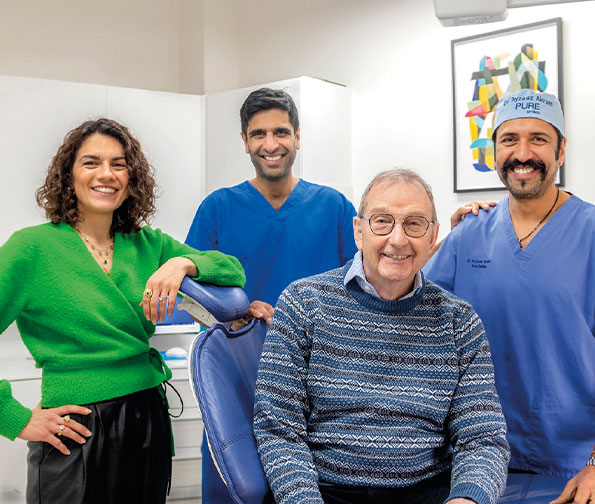
At Pure Smiles in Fulham, we help patients across SW6 build sustainable oral health habits. Here are ten evidence-based resolutions that will make a genuine difference to your teeth and gums this year.
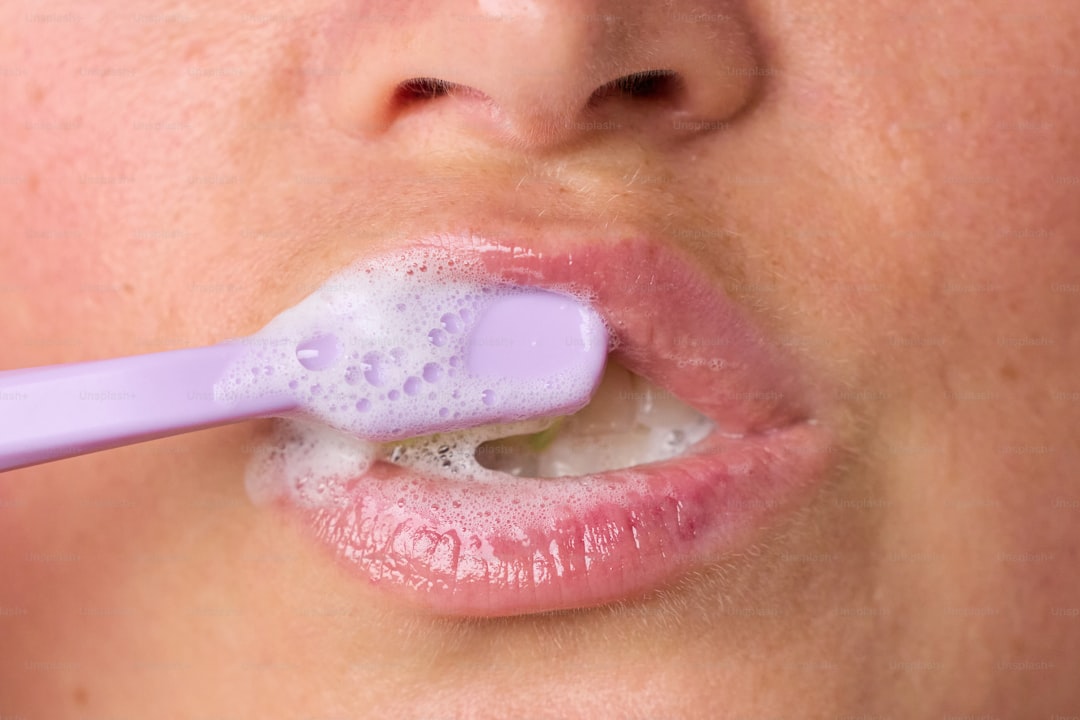
It sounds obvious, but one in four UK adults does not brush their teeth twice a day. Brushing morning and evening for two minutes each time removes plaque before it has a chance to harden into tartar. Use a fluoride toothpaste and a soft-bristled or electric toothbrush for the best results.
If you struggle with consistency, try linking brushing to an existing habit, such as brushing immediately after your morning coffee or just before you get into bed.
Flossing removes food particles and plaque from between your teeth where your toothbrush cannot reach. If you are not already flossing, adding it once a day, ideally before your evening brush, is one of the single most effective things you can do for your learn more gum health.
Flossing is not optional. It is an essential part of a complete oral hygiene routine. Interdental brushes are an equally effective alternative if you find traditional floss difficult to use.
Sugar is the primary fuel for the bacteria that cause tooth decay. Every time you eat or drink something sugary, acids attack your enamel for up to 30 minutes afterwards. Reducing the frequency of sugar intake matters even more than reducing the total amount.
Practical swaps include replacing sugary snacks with nuts or cheese, switching fizzy drinks for water, and checking labels on foods marketed as “healthy” that often contain hidden sugars.
Smoking is one of the most damaging habits for your oral health. Around 90% of people who develop mouth cancer have used tobacco. Smoking also causes gum disease, stains your teeth, slows healing after dental procedures and contributes to persistent bad breath. Quitting is the single best thing you can do for your mouth and your overall health.
Visiting your dentist every six to twelve months allows problems to be caught early, when they are simpler and less expensive to treat. Many conditions, including the early stages of gum disease, are painless and invisible to you but easily spotted by a dentist during a routine examination.
At Pure Smiles, we recommend booking your appointments well in advance so they become part of your calendar rather than something you keep putting off. Our Fulham practices offer learn more convenient appointment times including early mornings and Saturdays.
Alcohol dries out your mouth, reducing saliva production. Saliva is your mouth’s natural defence against bacteria, so a dry mouth increases your risk of decay and gum disease. Red wine, beer and cocktails also contain sugars and acids that attack enamel. Reducing your intake, especially in January after the festive season, gives your mouth a genuine recovery period.
Stress-related teeth grinding (bruxism) wears down enamel, cracks fillings and causes jaw pain. If you wake up with a sore jaw or morning headaches, you may be grinding in your sleep. A custom-made learn more night guard from your dentist is the most effective way to protect your teeth while you address the underlying stress.
If your toothbrush bristles are splayed or frayed, it is not cleaning your teeth effectively. Replace your toothbrush or brush head every three months. If you have not tried an electric toothbrush, research consistently shows they remove more plaque than manual brushing alone.
Years of tea, coffee and red wine leave their mark. Professional learn more teeth whitening carried out by a dentist is safe, effective and far more predictable than over-the-counter products. If a brighter smile would boost your confidence this year, speak to us about your options.
Your diet has a direct effect on your dental health. Foods rich in calcium (cheese, yoghurt, leafy greens), fibre (raw vegetables, apples) and phosphorus (fish, eggs, nuts) all strengthen your teeth. Planning your meals with dental health in mind does not mean giving up everything you enjoy. It means making more informed choices more often.
The key to keeping dental resolutions is to start small and build consistency. You do not need to change everything at once. Pick two or three resolutions from this list and focus on those first. Once they become habits, add another.
| **Resolution** | **Difficulty** | **Impact on Dental Health** |
|---|---|---|
| Brush twice daily | Easy | Very high |
| Floss once daily | Easy | High |
| Cut down on sugar | Moderate | Very high |
| Quit smoking | Hard | Very high |
| Book regular check-ups | Easy | High |
| Reduce alcohol | Moderate | Moderate |
| Address teeth grinding | Moderate | High |
| Replace toothbrush quarterly | Easy | Moderate |
| Professional whitening | Easy | Cosmetic |
| Improve diet | Moderate | High |
If you would like personalised advice on improving your oral health this year, book an appointment at Pure Smiles in Fulham. Call us on 020 7736 6276 or email reception@puresmiles.co.uk.
Most adults should visit the dentist at least once a year, though every six months is recommended if you have any history of gum disease, decay or other dental issues. Your dentist will advise on the right interval for your situation based on your oral health at each check-up.
Yes. Flossing removes plaque and food debris from the spaces between your teeth that a toothbrush simply cannot reach. Without flossing, you are leaving roughly 35% of your tooth surfaces uncleaned. Interdental brushes are an equally acceptable alternative.
Brush once in the morning and once before bed. The evening brush is particularly important because saliva production drops while you sleep, leaving your teeth more vulnerable to bacterial acid. Avoid brushing immediately after eating acidic foods or drinks; wait at least 30 minutes.
Absolutely. Sugar feeds the bacteria that produce the acids responsible for tooth decay. Frequent snacking is more damaging than the total amount of sugar consumed because each exposure triggers a fresh acid attack on your enamel. A balanced diet with limited sugar and plenty of calcium-rich foods directly supports stronger teeth and healthier gums.