Baby teething typically begins around six months of age, when the first milk teeth start to push through the gums. The process can cause discomfort, irritability and disrupted sleep for your baby, but it is a normal part of development and there are several effective ways to ease the symptoms.
At Pure Smiles in Fulham, we welcome children from their very first tooth. Early dental visits are not just about checking teeth; they establish positive experiences that reduce dental anxiety as your child grows.
Most babies begin teething between four and seven months of age. The lower front teeth (central incisors) are usually the first to appear, followed by the upper front teeth. By the time your child reaches two and a half to three years old, they should have a full set of 20 primary teeth.
Teething is not a single event. It continues in stages over approximately two years, and some teeth cause more discomfort than others. The molars, which emerge between 12 and 24 months, tend to be the most uncomfortable because of their larger size and flat surface.
| Tooth Type | Typical Age of Appearance |
|---|---|
| **Lower central incisors** | 6-10 months |
| **Upper central incisors** | 8-12 months |
| **Lateral incisors** | 9-13 months |
| **First molars** | 13-19 months |
| **Canines** | 16-22 months |
| **Second molars** | 23-33 months |
Recognising the early signs of teething helps you respond quickly and provide comfort before your baby becomes overly distressed. Common teething symptoms include:
Teething is not typically associated with high fever, diarrhoea or severe illness. If your baby develops a temperature above 38 degrees Celsius or appears unusually unwell, contact your GP rather than attributing it to teething alone.
Teething rings are one of the safest and most effective ways to soothe sore gums. Choose a solid silicone ring rather than one filled with liquid, which can leak or harbour bacteria. Chilling the ring in the fridge (not the freezer) provides additional relief, as the cool temperature helps reduce gum inflammation.
Dampen a clean washcloth, chill it in the fridge and let your baby chew on it. The texture provides counter-pressure against the gums and the cold helps numb discomfort.
For babies over six months who have started weaning, chilled vegetable sticks such as cucumber or carrot can serve as natural teething aids. Always supervise your baby closely when they are chewing on food to prevent choking.
Gently rubbing your baby’s gums with a clean finger can provide temporary relief. The pressure helps counteract the sensation of teeth pushing through the gum tissue.
You should begin brushing as soon as the first tooth appears. Use a small, soft-bristled baby toothbrush with a smear of fluoride toothpaste (no larger than a grain of rice). Brush gently twice a day, paying attention to the gum line where plaque collects.
Starting a brushing routine early does two important things: it protects those new teeth from decay, and it establishes a habit that your child will carry into adulthood. Make brushing a calm, positive experience rather than a battle. Let your baby hold a second toothbrush while you brush their teeth, so they feel involved.
The NHS recommends that children visit a dentist as soon as their first teeth appear, or by their first birthday at the latest. This initial appointment is not about treatment. It is about familiarisation.
A positive first dental visit helps your child feel comfortable in the practice environment, reducing the likelihood of learn more dental anxiety later in life. At Pure Smiles, we take extra care to make first visits relaxed and enjoyable for both children and parents.
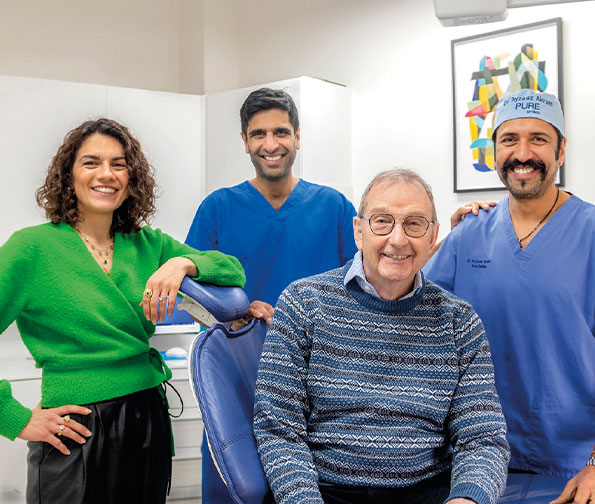
Pure Smiles has been providing family dental care in Fulham since 2009. Dr Ayzaaz Akram (BDS University of Liverpool 1995, GDC 70996) and our team are experienced in treating children of all ages and making dental visits a positive experience from the very start.
Visit us at either of our two Fulham practices:
To book an appointment, call us on 020 7736 6276 or learn more contact us online.
—
Most babies begin teething between four and seven months of age, though the timing varies. The lower front teeth are usually the first to appear. By the age of three, most children have a full set of 20 primary teeth.
A chilled teething ring, gentle gum massage and maintaining your normal bedtime routine are the most effective approaches. Avoid using teething gels containing benzocaine or lidocaine for babies, as these are not recommended for children under two. If your baby is in significant discomfort, speak to your pharmacist about age-appropriate pain relief.
Teething timelines vary considerably between children. Some babies are born with teeth already present, while others may not see their first tooth until after their first birthday. If no teeth have appeared by 18 months, it is worth mentioning to your dentist, but late teething is rarely a cause for concern.
Teething can cause a very mild rise in temperature, but it does not cause high fever. If your baby has a temperature above 38 degrees Celsius, the cause is likely something other than teething and you should contact your GP.