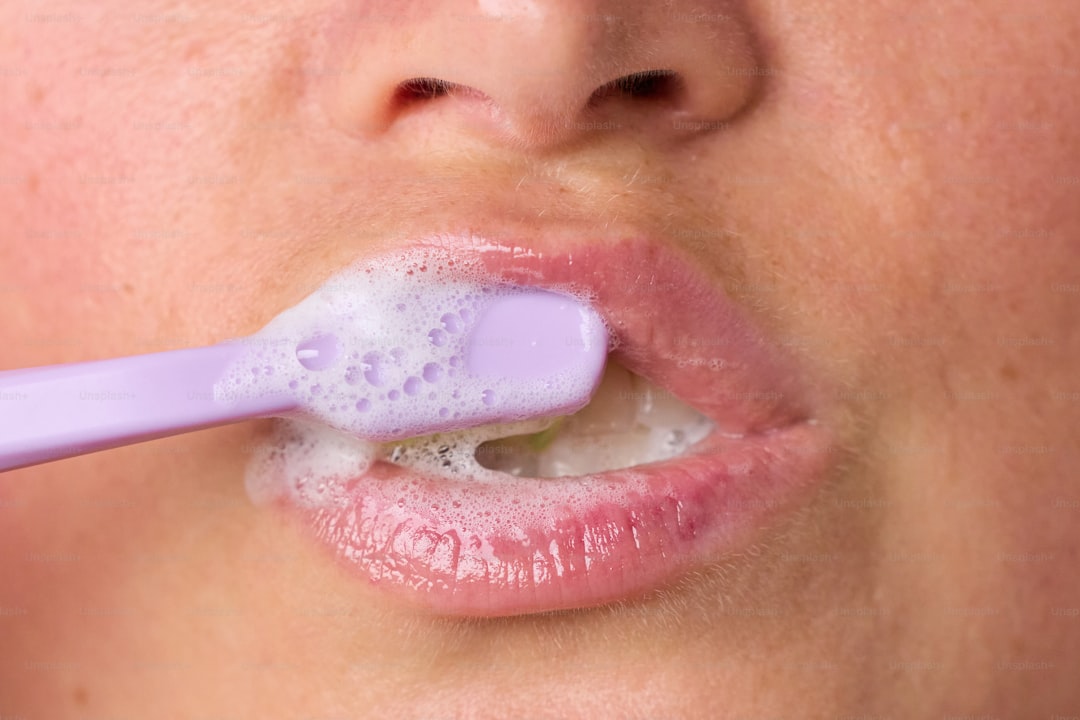
Bad breath, clinically known as halitosis, is the single biggest turn-off on a date according to research by the Oral Health Foundation. Their survey found that 35% of people rank bad breath as the top reason for not pursuing a second date, ahead of poor conversation (11%) and bad clothing choices (2%). At Pure Smiles in Fulham, we help patients identify and treat the root causes of bad breath so they can feel confident in every social situation.
Bad breath is most commonly caused by bacteria in the mouth. When oral hygiene is inadequate, bacteria accumulate on the teeth, gums, and tongue, producing volatile sulphur compounds (VSCs) that create the characteristic unpleasant odour. However, halitosis is not always caused by poor brushing alone.
| Cause | How It Contributes | Solution |
|---|---|---|
| Poor oral hygiene | Bacteria build up on teeth and tongue | Brush twice daily, floss, clean tongue |
| Gum disease | Bacterial pockets form below the gumline | Professional periodontal treatment |
| Dry mouth | Reduced saliva allows bacteria to thrive | Stay hydrated, chew sugar-free gum |
| Food and drink | Garlic, onions, coffee leave residual odours | Rinse with water, maintain oral hygiene |
| Tobacco use | Creates persistent odour, worsens gum disease | Quit smoking or vaping |
| Medical conditions | Sinusitis, acid reflux, diabetes, liver disease | Treat underlying condition |
| Medications | Some drugs reduce saliva production | Discuss alternatives with your doctor |
| Tonsil stones | Calcified debris collects in tonsil crypts | Gentle removal, gargling with salt water |
In the vast majority of cases, bad breath originates in the mouth rather than the stomach or other parts of the body. This means a dental professional is usually the best first point of contact.
Gum disease is one of the most common causes of chronic bad breath that does not improve with brushing alone. When plaque hardens into tartar below the gumline, it creates pockets where bacteria thrive out of reach of your toothbrush.
These bacteria produce gases that cause a persistent foul odour. Unlike temporary bad breath from food, gum disease-related halitosis is constant and will not resolve without professional treatment.
Signs that gum disease may be causing your bad breath include:
If you recognise these symptoms, book an appointment for a thorough periodontal assessment. Early-stage gum disease (gingivitis) is fully reversible with professional cleaning and improved home care.
The tongue is one of the most overlooked sources of bad breath. Its rough, papillae-covered surface traps bacteria, food debris, and dead cells, particularly towards the back of the tongue where cleaning is difficult.
Tongue cleaning should be part of your daily oral hygiene routine. You can use:
Most people who add tongue cleaning to their routine notice an immediate improvement in breath freshness.
Treating bad breath effectively requires addressing the underlying cause. For most people, this means improving their daily oral hygiene routine:
Antibacterial mouthwash can provide temporary freshness, but it is not a substitute for thorough brushing and flossing. If bad breath persists despite good oral hygiene, your dentist will investigate other potential causes.
You should see your dentist if your bad breath:
There is no need to feel embarrassed. Halitosis is extremely common, and our team at Pure Smiles diagnoses and treats it regularly. Dr Ayzaaz Akram and our hygienists will assess your oral health, identify the cause, and recommend an effective treatment plan.
If bad breath is affecting your confidence, relationships, or daily life, our Fulham dental team can help. We offer thorough hygiene appointments and personalised oral health advice at both our New Kings Road and Fulham Road practices.
learn more to book your appointment, or call us on 020 7736 6276.
In rare cases, persistent bad breath can indicate an underlying medical condition such as diabetes, liver disease, kidney problems, or acid reflux. If your dentist rules out oral causes, they may refer you to your GP for further investigation.
Mouthwash provides temporary relief but does not cure bad breath. Alcohol-based mouthwashes can actually worsen the problem by drying out your mouth. If you use mouthwash, choose an alcohol-free antibacterial formula and use it as a supplement to, not a replacement for, brushing and flossing.
Morning breath occurs because saliva production drops significantly during sleep. Without saliva to wash away bacteria, they multiply overnight and produce odorous compounds. Brushing before bed and again in the morning helps minimise this effect.
Yes, certain foods cause temporary bad breath through compounds that enter the bloodstream and are exhaled through the lungs. Garlic and onions are the most common culprits. A diet high in sugar also feeds oral bacteria, increasing odour-producing bacterial activity. Staying hydrated and eating fibrous vegetables can help keep breath fresher throughout the day.