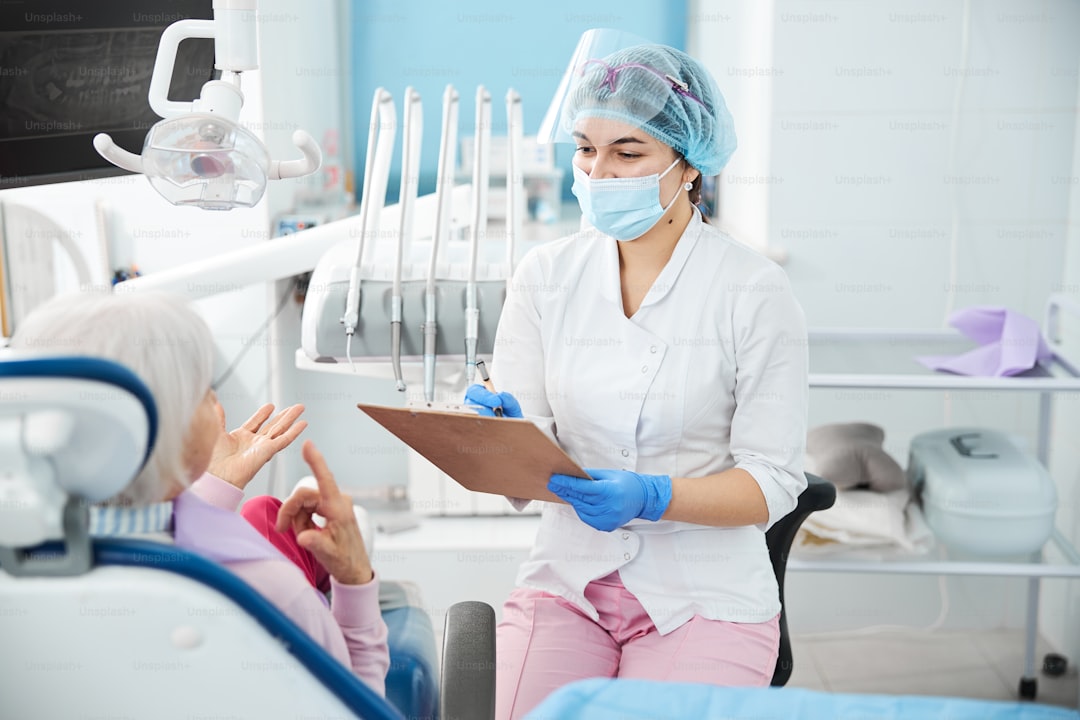
Yes, it is normal to experience dental problems during and after pregnancy. Hormonal changes, altered dietary habits and morning sickness can all affect your teeth and gums. The good news is that most pregnancy-related dental issues are temporary and manageable with proper care.
Pregnancy does not cause teeth to fall out. That is a myth. However, it does create conditions that make your mouth more vulnerable to decay, gum disease and enamel erosion. Understanding why this happens puts you in a much stronger position to protect your oral health throughout pregnancy and beyond.
Several factors contribute to dental problems during and after pregnancy. These are not signs of neglect. They are normal physiological responses to carrying a child.
Rising levels of oestrogen and progesterone during pregnancy increase blood flow to the gums, making them more sensitive and more likely to react to plaque. This condition, known as pregnancy gingivitis, affects up to 75% of pregnant women. Symptoms include:
Pregnancy gingivitis is not the same as chronic gum disease, but if left untreated it can progress to periodontitis, which does cause lasting damage.
Pregnancy increases calorie requirements, and cravings often steer dietary choices towards sugary or starchy foods. This gives the bacteria in your mouth more fuel to produce the acids that erode enamel and cause cavities.
Vomiting exposes your teeth to stomach acid, which erodes enamel over time. If you experience frequent morning sickness, the cumulative acid exposure can weaken tooth surfaces noticeably.
Fatigue, nausea and the general demands of pregnancy can lead to less thorough brushing and flossing. Even small lapses in routine, when combined with hormonal sensitivity and dietary changes, increase the risk of dental problems.
| Problem | Cause | Is It Permanent? |
|---|---|---|
| **Pregnancy gingivitis** | Hormonal sensitivity to plaque | Usually resolves after birth with good hygiene |
| **Increased cavities** | Higher sugar intake, acid from morning sickness | Permanent if untreated, but preventable |
| **Enamel erosion** | Stomach acid from vomiting | Permanent damage to enamel, but progression can be halted |
| **Loose-feeling teeth** | Hormones relax ligaments, including those around teeth | Temporary, teeth typically firm up after delivery |
| **Pregnancy epulis** | Overgrowth of gum tissue, linked to hormones | Usually shrinks after birth, may need removal if persistent |
Loose teeth during pregnancy are a common concern. The same hormones that relax your pelvic ligaments in preparation for birth also affect the ligaments holding your teeth in place. This is not tooth loss. It is a temporary loosening that resolves postpartum.
This is the single most effective thing you can do. Brush twice a day for two minutes with a fluoride toothpaste and floss at least once daily. If brushing triggers nausea, try using a smaller-headed toothbrush and brushing at a time when nausea is less severe.
After vomiting, do not brush your teeth immediately. Stomach acid softens enamel, and brushing straight away can cause additional damage. Instead, rinse your mouth with plain water or a fluoride mouthwash and wait at least 30 minutes before brushing.
You do need additional calories during pregnancy, but choosing nutrient-dense foods over sugary snacks protects both your teeth and your overall health. Calcium-rich foods such as cheese, yoghurt and leafy green vegetables support your teeth and your baby’s developing bones.
Routine dental check-ups and learn more hygiene appointments are safe during pregnancy. In fact, the NHS recommends that pregnant women continue to see their dentist and are entitled to free NHS dental treatment during pregnancy and for 12 months after the baby is born.
Tell your dentist you are pregnant at the start of your appointment. This allows them to adjust treatment choices if necessary, such as postponing non-essential X-rays until after delivery.
Bleeding gums during pregnancy are common but should not be dismissed. If your gums bleed regularly when brushing, book a learn more hygiene appointment to have plaque and tartar removed professionally. Early treatment prevents pregnancy gingivitis from developing into something more serious.
Contact your dentist promptly if you experience:
These symptoms may indicate an infection or advanced gum disease that requires treatment. Dental infections during pregnancy should be addressed quickly, as untreated infections carry risks for both mother and baby.
Pure Smiles has been providing family dental care in Fulham since 2009. We regularly treat patients during and after pregnancy and understand the specific concerns that come with this stage of life.
Dr Ayzaaz Akram (BDS University of Liverpool 1995, GDC 70996) leads our practice, and our team provides tailored advice for expectant and new mothers, including dietary guidance, hygiene techniques and treatment timing.
Visit us at either of our two Fulham locations:
To book an appointment, call us on 020 7736 6276 or learn more contact us online.
—
Yes. Hormonal changes during pregnancy can temporarily relax the ligaments that support your teeth, causing them to feel slightly loose. This is not tooth loss and typically resolves after delivery. If a tooth feels significantly loose or painful, contact your dentist for assessment.
Yes. Routine dental check-ups and hygiene appointments are safe and recommended during pregnancy. Inform your dentist that you are pregnant so they can adjust any treatment as needed. The NHS provides free dental care for pregnant women and for 12 months after the birth.
In most cases, yes. Pregnancy gingivitis usually resolves after birth once hormone levels return to normal, provided you maintain good oral hygiene. Any cavities or enamel erosion that occurred during pregnancy are permanent and will need dental treatment, but further damage can be prevented with proper care.
No. This is a common myth. Your body does prioritise calcium for your baby’s development, but it draws from your bones, not your teeth. However, if your calcium intake is insufficient during pregnancy, your overall bone health can be affected. Eating calcium-rich foods and taking supplements as advised by your midwife supports both your health and your baby’s development.
After vomiting, rinse your mouth with plain water or a fluoride mouthwash. Do not brush your teeth for at least 30 minutes, as the stomach acid temporarily softens your enamel and brushing immediately can cause further erosion. Using a fluoride mouthwash after rinsing provides additional protection.