The correct brushing technique removes plaque effectively, protects enamel and reduces the risk of gum disease. Many adults brush their teeth twice daily but still develop problems because their technique is not quite right. This guide covers everything you need to know about brushing properly, from choosing the right toothbrush to the mistakes you should avoid.
The best toothbrush is the one that suits your individual needs. For most people, a soft-bristled toothbrush with a small head is the ideal choice. The small head allows you to reach the back teeth easily, while soft bristles clean effectively without damaging the gums.
| Toothbrush Type | Best For | Key Advantage |
|---|---|---|
| Manual, soft-bristled | Most adults and children | Affordable, effective with good technique |
| Electric (oscillating) | Those with limited dexterity, thorough cleaners | Removes more plaque with less effort |
| Electric (sonic) | Those wanting maximum cleaning power | High-frequency vibrations dislodge plaque |
| Children’s (small head) | Under 12s | Sized to fit smaller mouths |
People who have difficulty with manual dexterity, including those with arthritis or mobility conditions, are often better suited to an electric toothbrush. The powered motion does much of the work, making it easier to achieve a thorough clean.
Replace your toothbrush or brush head every three months, or sooner if the bristles are splayed or frayed. Worn bristles are not effective at removing plaque and can irritate the gums.
The most important ingredient in any toothpaste is fluoride. Fluoride strengthens tooth enamel and helps teeth resist acid attacks from plaque bacteria and sugars.
Specialist toothpastes for sensitivity, gum health or whitening can be helpful, but fluoride content should always be your first consideration. Your dentist at Pure Smiles can recommend the most suitable toothpaste for your needs.
1. Angle your toothbrush at 45 degrees to the gum line
2. Apply gentle pressure — pressing too hard can damage gums and enamel
3. Use short, back-and-forth strokes across each tooth, covering two to three teeth at a time
4. Clean all surfaces — outer (cheek-side), inner (tongue-side) and chewing surfaces
5. For inner front teeth, tilt the brush vertically and use gentle up-and-down strokes
6. Brush your tongue gently to remove bacteria and freshen breath
Brush your teeth at least twice a day for a minimum of two minutes each time. The two most important times are:
If you struggle to judge two minutes, use a timer on your phone or choose an electric toothbrush with a built-in two-minute timer. Many electric toothbrushes also pulse every 30 seconds to prompt you to move to the next quadrant of your mouth.
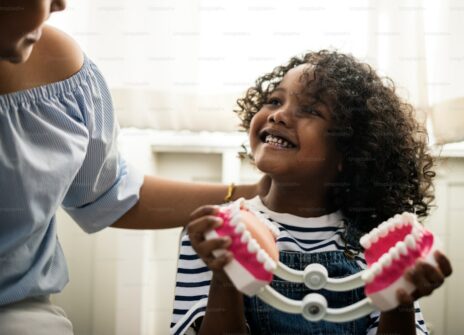
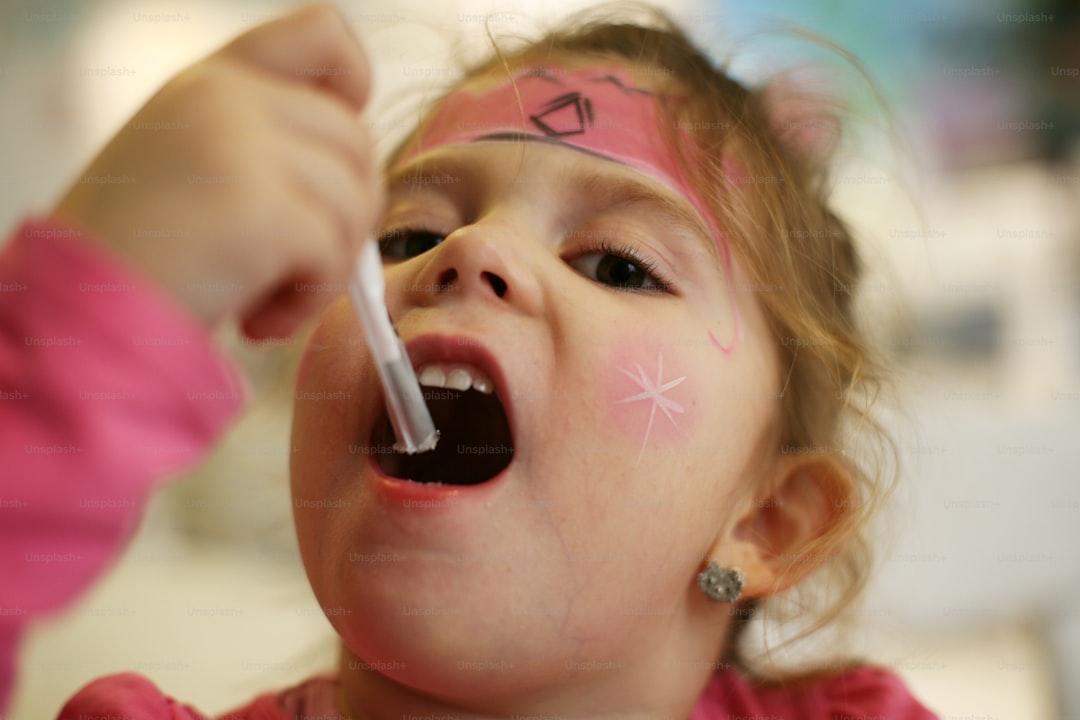
Children need supervision with brushing until around age seven, as they typically lack the manual dexterity to clean thoroughly on their own. Tips for parents:
At Pure Smiles, we offer children’s dental appointments that include brushing technique advice tailored to your child’s age and development.
Brushing alone cleans approximately 60% of tooth surfaces. The remaining 40% — the gaps between teeth — require interdental cleaning. Flossing or using interdental brushes once a day, ideally before your evening brush, removes plaque and food debris that your toothbrush simply cannot reach.
Dentists generally recommend brushing before breakfast. Brushing immediately after eating, especially acidic foods, can damage softened enamel. If you prefer to brush after breakfast, wait at least 30 minutes.
An electric toothbrush is not essential, but studies show that oscillating-rotating electric toothbrushes remove more plaque and reduce gingivitis more effectively than manual brushing. They are particularly beneficial for people who struggle with technique or dexterity.
Signs include gum recession, tooth sensitivity, splayed toothbrush bristles within a few weeks and visible wear on your enamel. If you notice any of these, switch to a soft-bristled brush and use lighter pressure.
No. Mouthwash is not a substitute for brushing. It can be a useful addition to your routine, but it does not mechanically remove plaque the way brushing does. Use fluoride mouthwash at a different time from brushing for maximum benefit.
—
For personalised brushing advice, book a hygiene appointment at Pure Smiles Fulham. Call 020 7736 6276 or contact us online. We are located at 257 New Kings Road, SW6 4RB and 750a Fulham Road, SW6 5SH.