A mother’s oral health directly influences her child’s dental health, potentially for decades. Research spanning 27 years confirms that children born to mothers with poor oral health are significantly more likely to experience tooth decay, fillings, and tooth loss as adults.
This is not just about genetics. The bacteria responsible for tooth decay can be transmitted from mother to child, making pregnancy and early motherhood a critical window for dental care. Here is what every mum and mum-to-be in Fulham needs to know.
A landmark longitudinal study tracked over 1,000 children born in New Zealand in 1972 and 1973 from birth through to adulthood. The findings were striking: children whose mothers had poor oral health showed consistently higher levels of tooth decay, more fillings, and greater tooth loss when they reached adulthood.
Earlier studies had already demonstrated that the bacterium Streptococcus mutans, the primary cause of dental cavities, is passed from mother to child through saliva. Simple everyday actions like sharing spoons, tasting food before feeding, or cleaning a dropped dummy with your mouth can transfer these bacteria.
| Finding | Implication |
|---|---|
| Maternal oral bacteria transfers to infants | Mothers with high bacterial loads increase child’s cavity risk |
| Children’s decay correlates with mother’s dental health | Preventive care for mums protects children |
| Adult oral health is shaped by childhood exposure | Early intervention has lifelong benefits |
| Genetic and environmental factors both contribute | Good habits can offset genetic predisposition |
Pregnancy causes significant hormonal changes that directly impact oral health. Understanding these changes helps you take the right preventive steps.
Rising progesterone levels during pregnancy increase blood flow to the gums, making them more sensitive and reactive to plaque bacteria. Up to 75% of pregnant women experience some degree of pregnancy gingivitis, characterised by red, swollen, and bleeding gums. This is not harmless — untreated gingivitis can progress to periodontitis, which has been linked in research to premature birth and low birth weight.
Frequent vomiting exposes teeth to stomach acid, which erodes enamel over time. If you experience morning sickness, resist the urge to brush immediately afterward. The acid temporarily softens enamel, and brushing at this point can cause further damage. Instead, rinse your mouth with plain water or a fluoride mouthwash and wait at least 30 minutes before brushing.
Cravings for sugary or starchy foods are common during pregnancy. Each sugar exposure triggers an acid attack on your teeth lasting approximately 20 minutes. Frequent snacking throughout the day multiplies this effect, creating prolonged periods where your enamel is under assault.
Protecting your oral health during pregnancy is not complicated, but it does require awareness and consistency.
Brush twice daily with a fluoride toothpaste (1350-1500 ppm fluoride). Use a soft-bristled brush if your gums are tender. Brushing before breakfast and before bed covers the two most critical times.
Clean between your teeth daily using interdental brushes or floss. Plaque that builds up between teeth is a primary driver of both cavities and gum disease, and it cannot be reached by brushing alone.
Attend your dental check-ups. Dental treatment during pregnancy is safe, and the NHS provides free dental care for pregnant women and for 12 months after your baby is born. Simply apply for a maternity exemption certificate through your midwife or GP.
Watch your snacking pattern. It is not just what you eat but how often. Three meals with minimal snacking gives your saliva time to neutralise acids and remineralise your enamel between eating episodes.
Tell your dentist you are pregnant. While routine dental care is safe throughout pregnancy, your dentist may choose to postpone certain elective procedures or adjust the timing of X-rays as a precaution.
The good news from the research is clear: dental decay is a preventable disease. If we can identify children at higher risk through their mother’s oral health history, we can intervene early and effectively.
The latest NHS data shows that just under one in three five-year-olds (31%) show signs of obvious dental decay, while two thirds of 12-year-olds (66.6%) are free of visible decay. These numbers are improving, but there is still considerable room for progress.
At Pure Smiles in Fulham, we recommend bringing your child for their first dental visit when their first teeth appear, or by their first birthday at the latest. Early visits are gentle, short, and focused on building familiarity with the dental environment rather than treatment.
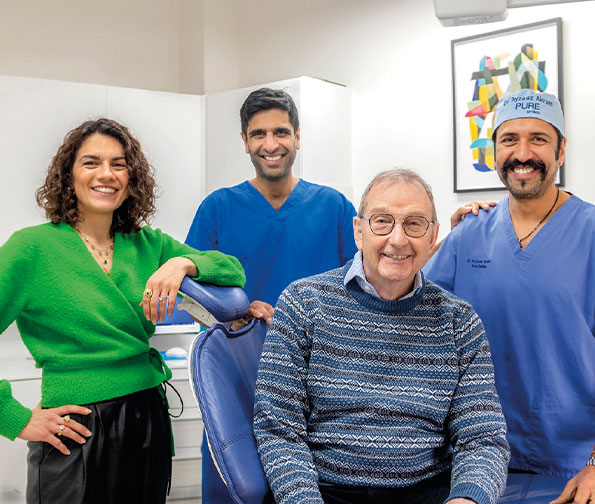
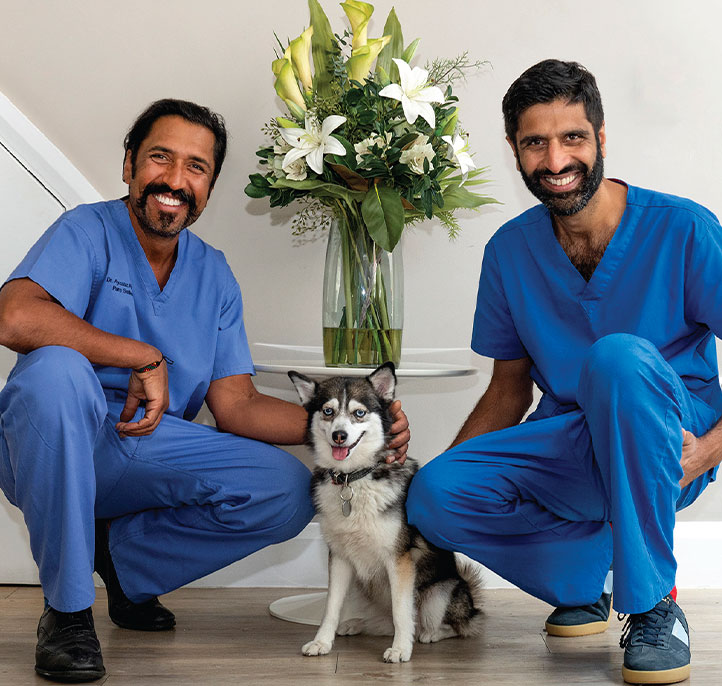
Dr Ayzaaz Akram and the team at Pure Smiles have been caring for Fulham families since 2009. We understand that pregnancy brings enough to worry about without adding dental anxiety to the list. Our approach is gentle, supportive, and tailored to each stage of pregnancy and early motherhood.
We provide children’s dentistry designed to make dental visits positive experiences from the very first appointment. By working with parents and children together, we aim to break the cycle of poor oral health being passed between generations.
Yes. Routine dental examinations, cleanings, and necessary treatments such as fillings are safe during pregnancy. The second trimester is generally the most comfortable time for dental visits, but treatment can be carried out at any stage if needed. Local anaesthetic is safe for use during pregnancy.
Research has identified an association between severe periodontal disease and adverse pregnancy outcomes including premature birth and low birth weight. While the exact mechanism is still being studied, the link is strong enough that maintaining good gum health during pregnancy is considered an important preventive measure.
The British Society of Paediatric Dentistry recommends a first dental visit by the time your child’s first tooth appears, or by their first birthday. At Pure Smiles, we make first visits fun and relaxed, helping children build positive associations with dental care from the start.
Yes. Pregnant women and new mothers are entitled to free NHS dental treatment from the start of pregnancy until 12 months after the baby’s due date. You will need a maternity exemption certificate, which your midwife or GP can help you obtain.
—
To book a family dental appointment at Pure Smiles, call 020 7736 6276. We welcome patients at 257 New Kings Road, SW6 4RB and 750a Fulham Road, SW6 5SH.