Bruxism is the involuntary grinding, clenching or gnashing of teeth, and it affects a significant proportion of adults. Most people who grind their teeth do so during sleep and are completely unaware of it until a partner notices the noise or a dentist identifies the characteristic wear patterns on their enamel.
Left untreated, bruxism can cause cracked or fractured teeth, chronic jaw pain, headaches and significant enamel erosion. The good news is that it is highly treatable. At Pure Smiles in Fulham, we offer a range of bruxism treatments tailored to the severity of your condition and its underlying cause.
Bruxism is not caused by a single factor. It typically results from a combination of physical, psychological and lifestyle influences.
| Cause | How It Contributes |
|---|---|
| **Stress and anxiety** | The most common trigger. Psychological tension manifests as jaw clenching and teeth grinding, particularly during sleep |
| **Sleep disorders** | Bruxism is strongly associated with obstructive sleep apnoea and other sleep disturbances |
| **Misaligned bite** | An uneven bite places unequal pressure on certain teeth, which can trigger grinding |
| **Medication side effects** | Certain antidepressants (SSRIs in particular) and stimulant medications can cause or worsen bruxism |
| **Alcohol and caffeine** | Both substances have been shown to increase the frequency and intensity of nocturnal grinding |
| **Smoking** | Smokers are approximately twice as likely to grind their teeth as non-smokers |
Understanding your specific triggers is an important part of finding the right treatment. Your dentist can help identify the likely cause based on your symptoms, dental examination and medical history.
Many people grind their teeth without realising it. The following symptoms may indicate bruxism:
If you recognise several of these symptoms, book an appointment with your dentist. Bruxism is much easier to manage when it is identified early, before significant dental damage has occurred.
A custom mouthguard (also called an occlusal splint or night guard) is the most common and effective treatment for nocturnal bruxism. It is a thin, durable device moulded precisely to your teeth that creates a protective barrier between your upper and lower teeth while you sleep.
Custom mouthguards from your dentist are not the same as over-the-counter sports guards. They are made from dental impressions of your teeth, ensuring a precise fit that is comfortable to wear, does not interfere with breathing and provides consistent protection.
At Pure Smiles, we fabricate custom mouthguards designed for long-term nightly use. They reduce the force on your teeth and jaw, prevent further enamel damage and often significantly reduce jaw pain and headaches.
Because stress is the most common trigger for bruxism, addressing it directly can have a significant impact. Effective approaches include:
Stress management is not an alternative to dental treatment. It works best as a complement to a custom mouthguard.
If bruxism has already caused damage to your teeth, several restorative options are available:
The priority is always to stop the grinding first with a mouthguard, then repair any existing damage.
Several straightforward habits can reduce the severity of bruxism:
You should book a dental appointment if:
Early intervention prevents the kind of cumulative enamel damage that requires complex and costly restorative work. A simple custom mouthguard can save you significant time, discomfort and expense in the long run.
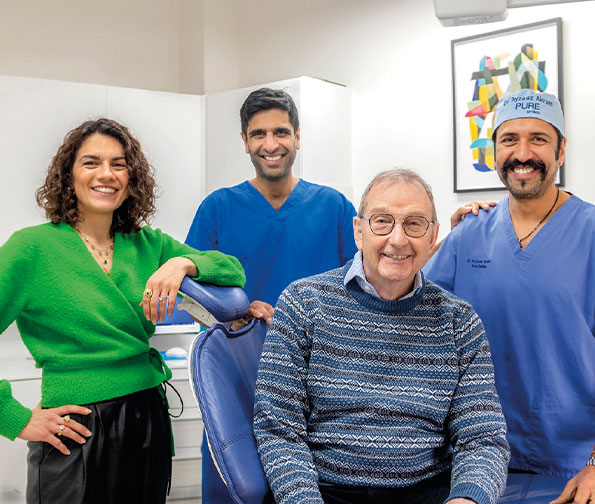
Pure Smiles has been providing dental care in Fulham since 2009. Dr Ayzaaz Akram (BDS University of Liverpool 1995, GDC 70996) and our team have extensive experience in diagnosing and treating bruxism, from initial assessment to custom mouthguard fabrication and restorative care.
Visit us at either of our two Fulham practices:
To book a consultation, call us on 020 7736 6276 or learn more contact us online.
—
Many people are unaware they grind their teeth during sleep. Common indicators include waking up with jaw soreness, morning headaches, tooth sensitivity and your partner hearing grinding sounds during the night. Your dentist can also identify bruxism through characteristic wear patterns on your tooth enamel during a routine check-up.
Bruxism can be effectively managed and its symptoms significantly reduced, but it is not always permanently curable, particularly when it is linked to stress or sleep disorders. A custom mouthguard protects your teeth from damage, and addressing underlying causes such as stress, alcohol consumption and sleep quality can reduce the frequency and severity of grinding.
Yes. A professionally made mouthguard is precisely fitted to your teeth, making it more comfortable, more effective and more durable than over-the-counter alternatives. It protects your enamel, reduces jaw strain and can prevent the need for expensive restorative work such as crowns, veneers or implants that would be required to repair bruxism-related damage.
Yes. Bruxism is relatively common in children, particularly during the transition from baby teeth to permanent teeth. In most cases, childhood bruxism resolves on its own without treatment. However, if your child complains of jaw pain or you notice significant tooth wear, it is worth mentioning at their next dental appointment.