The average tooth fairy payout in the UK is approximately £1 per tooth, though the amount varies significantly by region. In the United States, the average is considerably higher at $4.66 per tooth. Beyond the fun of finding money under the pillow, the tooth fairy tradition can be a surprisingly effective tool for encouraging children to look after their teeth.
Research into tooth fairy economics reveals interesting patterns linked to household income, regional spending habits and even the child’s enthusiasm for dental care.
| UK Region | Average Payout Per Tooth |
|---|---|
| Northern Ireland | Over £2 |
| Scotland | £1.50-£2 |
| London and South East | £1-£1.50 |
| South West | Under £1 (lowest in UK) |
| **UK National Average** | **Approximately £1** |
The tooth fairy is most generous in Northern Ireland and least generous in the South West. Some children find as much as a ten pound note under their pillow, though this is well above the national average.
Across the Atlantic, the tooth fairy pays significantly more. The average US payout reached a record-breaking $4.66 (approximately £3.61), with the tooth fairy collectively spending over $290 million on lost teeth in a single year.
| US Region | Relative Payout |
|---|---|
| Western US | Highest |
| Northeast | Above average |
| Southeast | Average |
| Midwest | Lowest |
Research shows that children have clear priorities when it comes to spending their tooth fairy windfall:
This spending pattern highlights an opportunity for parents to gently guide the conversation towards choices that support healthy teeth rather than undermine them.
The tooth fairy tradition is not just a bit of fun. Studies suggest that children and parents who are most enthusiastic about the tooth fairy also tend to take dental care more seriously. This makes the tradition a practical tool for reinforcing good habits.
Children typically have 20 primary (baby) teeth, which begin falling out around age six and continue until roughly age twelve. That means the tooth fairy will visit approximately 20 times per child, providing 20 opportunities to reinforce positive dental messages.
| Baby Tooth Type | Number | Typical Age Lost |
|---|---|---|
| Central incisors | 4 | 6-7 years |
| Lateral incisors | 4 | 7-8 years |
| First molars | 4 | 9-11 years |
| Canines | 4 | 9-12 years |
| Second molars | 4 | 10-12 years |
The tooth fairy makes her first visit around age six, but dental care should begin much earlier. The NHS recommends taking your child to the dentist as soon as their first teeth appear, usually around six months old. Early visits help children become comfortable in the dental environment and allow your dentist to monitor development.
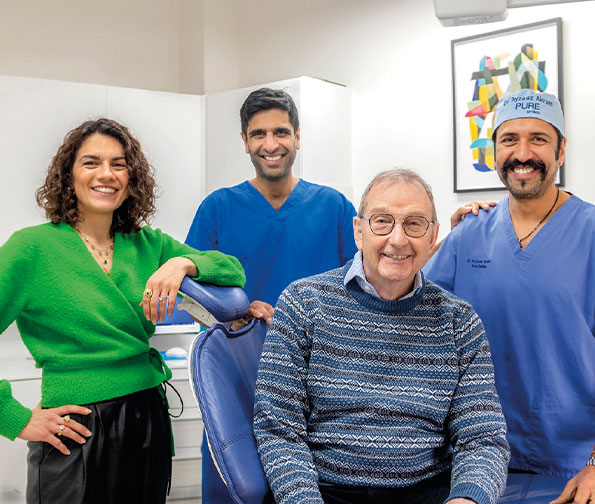
At Pure Smiles in Fulham, we welcome children of all ages. Our gentle, family-friendly approach means your child’s experience at the dentist is positive from the very first visit, building the confidence that leads to a lifetime of healthy dental habits. Book a children’s appointment or call 020 7736 6276.
London falls within the £1 to £1.50 range per tooth, close to the national average. The exact amount varies by household, and there is no “correct” figure.
Many parents give a slightly higher amount for the first tooth to mark the occasion, then settle into a consistent amount for subsequent teeth. This is entirely a personal choice.
Of course. A note explaining what happened, left under the pillow, is a well-established solution. The tooth fairy is known for her understanding nature.
Most children lose their last baby teeth between ages 10 and 12. If baby teeth are retained beyond age 13, consult your dentist to check that the permanent teeth are developing normally.
—
Pure Smiles provides gentle, child-friendly dental care in Fulham. To book your child’s check-up, contact us on 020 7736 6276 or visit us at 257 New Kings Road, SW6 4RB.