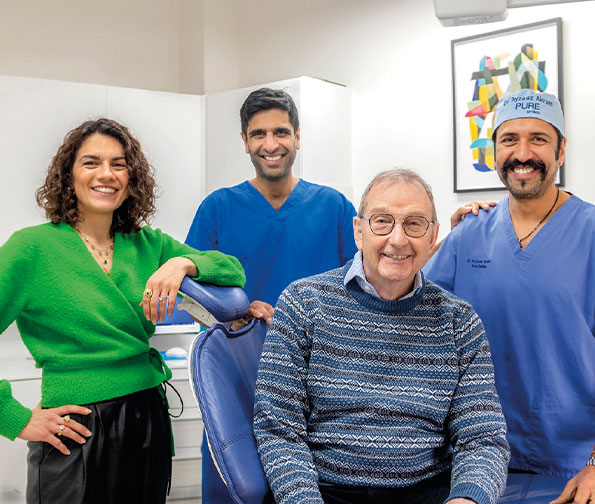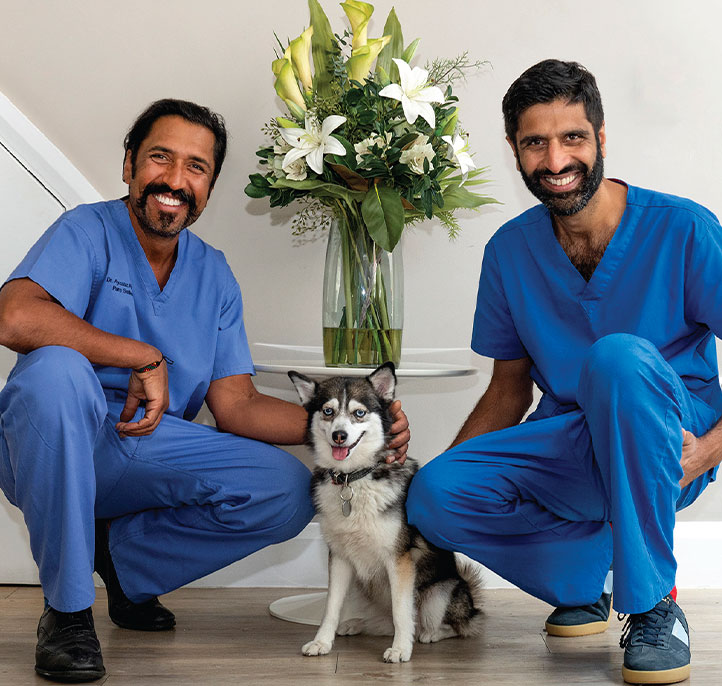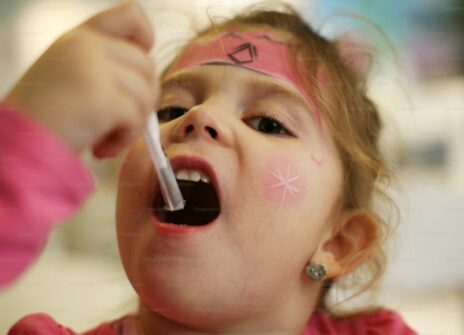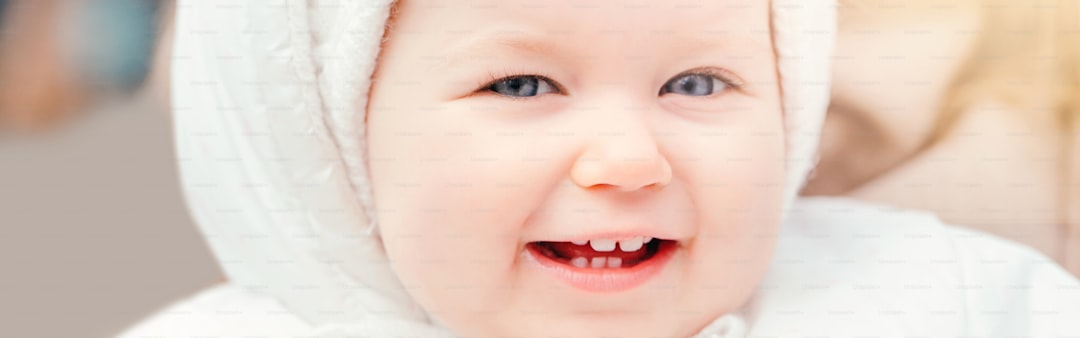
Good oral hygiene habits established in childhood last a lifetime. At Pure Smiles in Fulham, our approach to children’s dentistry focuses on engaging young patients, encouraging them to take pride in their teeth, and reinforcing the healthy habits you are working hard to build at home.
Finding the right children’s dentist in London is not just about clinical expertise — it is about finding a team that understands how to communicate with children, build their confidence, and make dental visits something they look forward to rather than dread.
Children are not small adults. Their dental needs, their fears, and their capacity to understand instructions are fundamentally different from those of grown-up patients. A children’s dentist needs to:
At Pure Smiles, we like to engage with our young patients and give them plenty of praise. A child who leaves the dental chair feeling proud of themselves is far more likely to brush well, eat sensibly, and return for their next appointment without anxiety.
Establishing good oral hygiene and dietary habits at a young age has been shown to have lifelong benefits to both oral and general health. The two pillars of children’s dental health are simple in theory but challenging in practice.
Most children lack the manual dexterity to brush effectively on their own until around age 7-8. Until then, parents need to do the brushing or closely supervise.
| Age | Who Brushes | Duration | Key Tips |
|---|---|---|---|
| 0-3 years | Parent | 2 minutes, twice daily | Use a smear of 1000 ppm fluoride toothpaste |
| 3-6 years | Parent or supervised child | 2 minutes, twice daily | Pea-sized amount of 1350-1500 ppm paste |
| 7-10 years | Child with parent checking | 2 minutes, twice daily | Check they reach back teeth and brush gums |
| 10+ years | Independent with periodic checks | 2 minutes, twice daily | Introduce interdental cleaning |
Practical tips that work:
Sugar is the single biggest threat to children’s teeth. Every time your child consumes something sugary, the bacteria in their mouth produce acid that attacks tooth enamel for approximately 20 minutes. The frequency of sugar exposure matters more than the total amount.
High-risk habits to avoid:
Better choices:
A routine check-up at Pure Smiles for children involves several components, all delivered in a relaxed and age-appropriate manner.
Dr Ayzaaz Akram (BDS Liverpool 1995, GDC 70996) or a member of the dental team examines your child’s teeth, gums, and oral soft tissues. We look for:
Every appointment includes tailored advice for parents and children. This is not generic information — it is specific to your child’s current risk factors and developmental stage. We discuss brushing technique, dietary habits, fluoride use, and any concerns you have raised.
When permanent molars erupt (typically around age 6 for first molars), we may recommend fissure sealants. These thin protective coatings are painted onto the grooved biting surfaces of back teeth, creating a barrier against bacteria and food debris. The procedure takes minutes, involves no drilling or anaesthetic, and can reduce the risk of decay by up to 80%.
For children at higher risk of decay, fluoride varnish application is a simple and effective preventive measure. A concentrated fluoride solution is painted onto the teeth two to four times per year, strengthening enamel and helping to reverse very early signs of decay before they progress to cavities.
While orthodontic treatment typically begins in the teenage years, early monitoring can identify potential problems before they become complex. Your children’s dentist will look for:
Early identification does not always mean early treatment. Often, the best approach is to monitor development and intervene at the optimal time, typically when most adult teeth have emerged. At Pure Smiles, we offer Invisalign and orthodontic treatment for older children and teenagers when the time is right.
Getting children to eat well and brush properly is not easy, and it makes sense to get all the help you can. The dental team at Pure Smiles acts as a partner in this effort, reinforcing the good habits that you are working hard to establish at home.
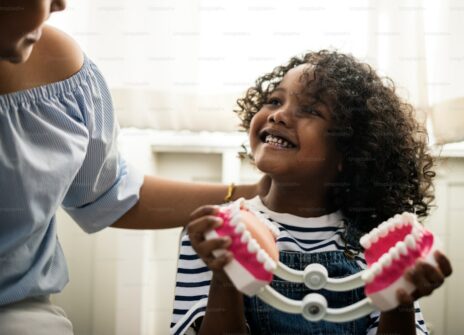
Children often respond differently to advice from a dental professional than from a parent. When a dentist praises their brushing or shows them on a model how to reach their back teeth, the message carries a different weight. We use this to your advantage, building your child’s sense of responsibility for their own dental health.
When selecting a children’s dentist, consider:
Pure Smiles has two locations in Fulham, both easily accessible and designed to make families feel welcome.
NICE guidelines recommend dental check-ups every 3 to 12 months for children, depending on their individual risk level. Your dentist will advise on the right interval for your child. Most children benefit from visits every 6 months.
Yes. NHS dental treatment is free for all children under 18 (or under 19 if in full-time education). This includes examinations, preventive treatments, fillings, and extractions.
Start with a familiarisation visit where no treatment is planned. Let your child sit in the chair, meet the team, and leave with a positive experience. At Pure Smiles, we never force a nervous child into treatment. Building trust takes time, and we are happy to take as many visits as needed.
Either can be effective. Electric toothbrushes with small, round heads can make brushing easier and more thorough, particularly for children who find manual brushing tiring or boring. The best toothbrush is the one your child will actually use consistently.
—
To register your child at Pure Smiles, call 020 7736 6276. We welcome families at 257 New Kings Road, SW6 4RB and 750a Fulham Road, SW6 5SH.