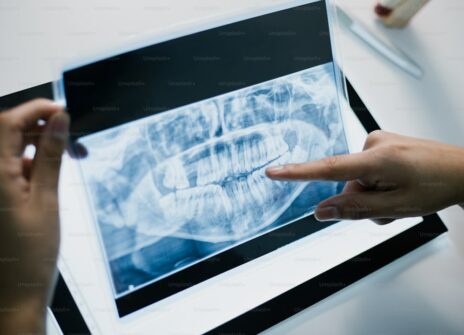
Tooth decay causes bad breath because bacteria trapped inside cavities release foul-smelling sulphur compounds as they break down food debris and decaying tooth structure. The odour is not simply a sign of poor brushing. It is a clinical indicator that active decay is present and needs professional treatment.
When enamel erodes and a cavity forms, bacteria colonise the damaged area. These bacteria are difficult to reach with a toothbrush alone, so the smell persists — and worsens — until the decay is treated by a dentist. At Pure Smiles in Fulham, we see patients across SW6 who have tried every mouthwash and breath freshener without success, only to discover that untreated decay was the underlying cause.
| Cause | Why It Smells | Solution |
|---|---|---|
| Active cavities | Bacteria produce hydrogen sulphide in decayed tooth structure | Dental filling or restoration |
| Food trapped in cavities | Decomposing food particles release odour | Professional cleaning and cavity repair |
| Gum disease (gingivitis/periodontitis) | Infected gum pockets harbour anaerobic bacteria | Hygienist treatment and scaling |
| Dry mouth | Reduced saliva allows bacteria to multiply | Hydration, saliva stimulants, dental review |
| Poor-fitting dental work | Gaps around old fillings or crowns trap debris | Replacement of faulty restorations |
If your bad breath persists despite regular brushing and flossing, book an examination at Pure Smiles so we can identify and treat the source. learn more
While home care alone cannot fix active decay, it can significantly reduce bacterial load and improve breath freshness between dental visits.
Brush twice daily for two minutes using fluoride toothpaste. Focus on the gumline and the back teeth where plaque accumulates most readily. Floss or use interdental brushes every evening to remove food particles from between teeth — areas your toothbrush cannot reach.
Cleaning your tongue is equally important. The back of the tongue harbours a large concentration of odour-producing bacteria. Use a tongue scraper or the back of your toothbrush to clean it each morning.
An alcohol-free, fluoride-containing mouthwash provides short-term relief from halitosis and helps reduce bacterial levels. Mouthwash is not a substitute for brushing. It is a supplement that reaches areas brushing may miss. Use it after brushing and flossing, not as a replacement.
Certain foods and habits directly worsen breath odour:
Increase your intake of water, crunchy vegetables and low-acid fruits. Drinking water throughout the day rinses bacteria from tooth surfaces and keeps saliva production steady. learn more
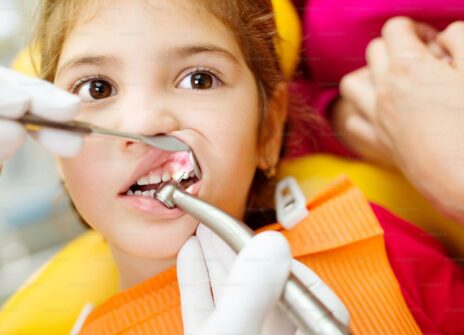
Home care manages symptoms, but only a dentist can eliminate the source of decay-related odour. If you notice a persistent unpleasant taste, visible holes in your teeth, or breath that does not improve despite thorough oral hygiene, the decay itself must be treated.
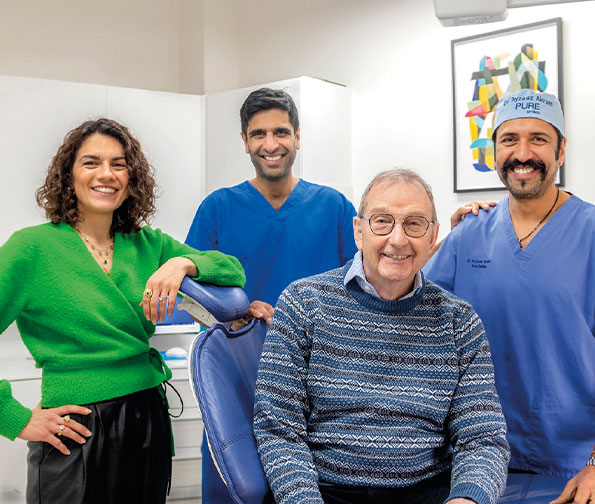
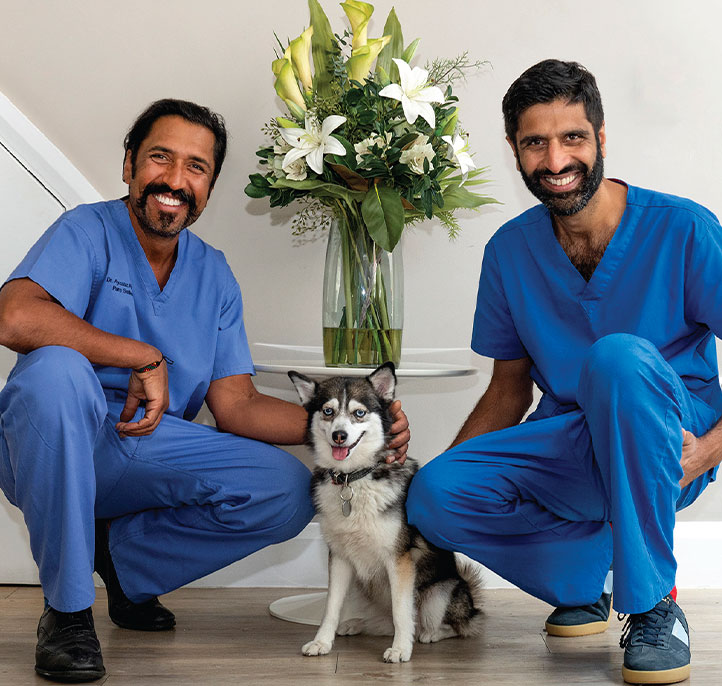
At Pure Smiles in Fulham, Dr Ayzaaz Akram (BDS Liverpool 1995, GDC 70996) will examine your teeth and gums, identify any active decay, and recommend the appropriate treatment. Options include:
Regular six-monthly check-ups and hygiene appointments are the most reliable way to catch decay early — before it causes odour, pain or further damage. Prevention is always simpler and more affordable than treatment.
Mouthwash can temporarily mask the odour, but it cannot cure bad breath caused by active tooth decay. The bacteria living inside a cavity must be removed and the tooth restored by a dentist. Mouthwash is best used alongside professional treatment, not as a replacement for it.
Persistent bad breath that does not improve with brushing, flossing and mouthwash is a strong indicator of an underlying dental issue such as decay or gum disease. Other signs include a bitter or metallic taste, visible dark spots on teeth, and sensitivity to hot or cold. A dental examination at Pure Smiles in Fulham will confirm the cause.
In most cases, the odour improves immediately once the decayed tooth is cleaned and filled. If gum disease is also present, a course of hygienist appointments may be needed over several weeks. Contact Pure Smiles on 020 7736 6276 to book an examination at either of our SW6 practices — 257 New Kings Road or 750a Fulham Road.