Dental veneers are thin, custom-made shells bonded to the front surface of your teeth to improve their colour, shape or alignment. At Pure Smiles in Fulham, South West London, veneers are one of our most requested cosmetic treatments, offering a minimally invasive way to transform your smile without extensive dental work.
Whether your teeth are chipped, discoloured, slightly misaligned or have gaps between them, veneers can provide a natural-looking solution. This guide explains everything you need to know before booking a veneer consultation at our Fulham Road or New Kings Road practice.
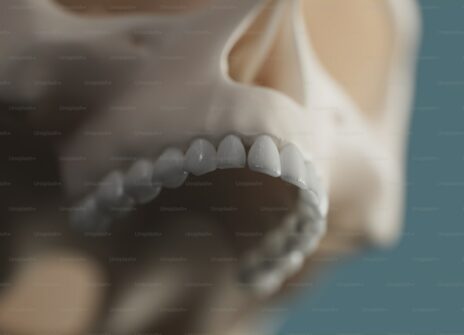
Dental veneers are wafer-thin coverings, typically 0.3mm to 0.7mm thick, that are permanently bonded to the front surface of your teeth. They are not replacements for teeth. They are a cosmetic covering that changes the visible appearance of existing teeth while leaving the underlying tooth structure largely intact.
Veneers are a cosmetic treatment, which means they address the look of your smile rather than fixing structural dental problems. If you have decay, gum disease or significant tooth damage, your dentist will need to treat those issues first before veneers are considered.
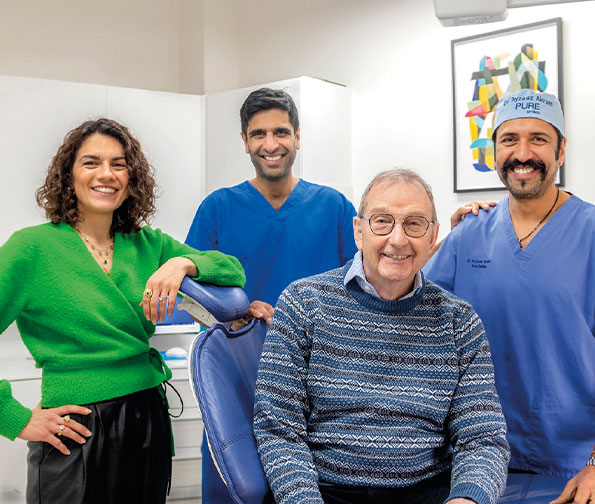
The procedure begins with a consultation where your dentist assesses your teeth, discusses your goals and determines whether veneers are the right option. At Pure Smiles, Dr Ayzaaz Akram (BDS Liverpool 1995, GDC 70996) has been placing veneers for over two decades, bringing the kind of experience that helps patients feel confident in their treatment plan.
During preparation, a small amount of enamel is removed from the front of the tooth, usually less than a millimetre, to create space for the veneer to sit flush with your surrounding teeth. Impressions or digital scans are then taken and sent to a dental laboratory, or in the case of composite veneers, the material is shaped directly onto your teeth in the same appointment.
Choosing between porcelain and composite veneers is one of the most important decisions in your treatment. Both have clear advantages depending on your situation, budget and goals.
| Feature | Porcelain Veneers | Composite Veneers |
|---|---|---|
| **Material** | Ceramic, lab-fabricated | Resin, applied chair-side |
| **Lifespan** | 15-20 years with care | 5-8 years with care |
| **Appointments** | 2-3 visits over 1-3 weeks | Usually 1 visit |
| **Stain resistance** | Highly stain-resistant | More prone to staining |
| **Enamel removal** | Slightly more removal needed | Minimal removal |
| **Repairability** | Must be fully replaced if damaged | Can be patched or reshaped |
| **Best for** | Significant discolouration, multiple teeth, long-term results | Minor chips, small gaps, budget-conscious patients |
Porcelain veneers are the preferred option when there is more noticeable damage, severe discolouration or when you want the most durable, natural-looking result. They are custom-crafted by lab technicians, which is why the process takes longer but the finish is exceptionally lifelike.
Composite veneers are ideal for patients who want a quicker, more affordable improvement. Because the dentist sculpts them directly onto your teeth, there is no laboratory wait time. They are a good choice for fixing a single chipped tooth or closing a small gap.
Neither option is universally better. The right choice depends on what you need, and that is something your dentist will help you decide during your learn more consultation.
Veneers are a versatile cosmetic solution, but they are not suitable for every dental concern. Here is what veneers can and cannot address.
This is not a treatment that replaces missing teeth. If you have a missing tooth, learn more dental implants or a bridge would be more appropriate.
The veneer process at our Fulham practices is straightforward. Here is what happens step by step.
Step 1: Consultation and assessment. Your dentist examines your teeth, takes photographs and discusses your expectations. X-rays may be taken to check the health of the underlying teeth and bone.
Step 2: Treatment planning. If veneers are suitable, your dentist creates a treatment plan. For porcelain veneers, this includes selecting the shade and shape that will complement your face and skin tone.
Step 3: Tooth preparation. A thin layer of enamel is gently removed from the front of each tooth receiving a veneer. This is typically painless, though local anaesthetic is available for learn more nervous patients.
Step 4: Impressions and temporaries. For porcelain veneers, impressions are taken and sent to the laboratory. Temporary veneers may be placed while you wait. This stage takes one to three weeks. Composite veneers skip this step entirely.
Step 5: Fitting. The finished veneers are checked for fit, colour and shape, then permanently bonded to your teeth using dental cement and a curing light.
Step 6: Follow-up. A review appointment ensures your bite is comfortable and you are happy with the result.
The entire process for porcelain veneers typically requires two to three appointments over two to four weeks. Composite veneers can often be completed in a single visit.
Porcelain veneers last between 15 and 20 years on average when properly maintained. Composite veneers last between 5 and 8 years before they need replacing or repairing.
Longevity depends on several factors:
Veneers themselves do not decay, but the natural tooth underneath them can. Maintaining good oral health is not optional; it is the single most important factor in how long your veneers last.
Pure Smiles has been serving patients across Fulham, Chelsea, Parsons Green and the wider SW6 area since 2009. As a family-run practice, we take a personal approach to cosmetic dentistry, spending time understanding what each patient wants before recommending treatment.
Dr Ayzaaz Akram, our principal dentist, qualified from the University of Liverpool in 1995 and has extensive experience in veneer placement across both porcelain and composite materials. Every case is assessed individually, and we will always tell you honestly whether veneers are the right option or whether an alternative treatment would serve you better.
You can visit us at either of our two Fulham locations:
To book a veneer consultation, call us on 020 7736 6276 or learn more contact us online.
—
The veneer procedure is not painful for most patients. A small amount of enamel is removed during preparation, which may cause mild sensitivity, but local anaesthetic is available if needed. Any post-treatment sensitivity typically subsides within a few days.
The cost of dental veneers varies depending on the material and the number of teeth being treated. Porcelain veneers are more expensive than composite veneers due to the laboratory fabrication involved. At Pure Smiles, we provide a clear cost breakdown during your consultation so there are no surprises. We also offer payment plans to help spread the cost.
Veneers are considered a permanent treatment because a thin layer of enamel is removed during preparation. This process is irreversible, meaning your teeth will always need some form of covering afterwards. Veneers can be replaced with new veneers if they chip, wear down or if you want to update them.
Modern porcelain veneers are designed to closely replicate the translucency and colour variation of natural teeth. When placed by an experienced dentist, veneers are virtually indistinguishable from your surrounding teeth. Composite veneers also look natural, though porcelain tends to offer a more lifelike finish over the long term.
Care for veneers the same way you would care for natural teeth: brush twice daily with a non-abrasive toothpaste, floss daily and attend regular dental check-ups. Avoid using your teeth as tools to open packaging, and if you grind your teeth at night, ask your dentist about a custom night guard. With proper care, your veneers will maintain their appearance for many years.