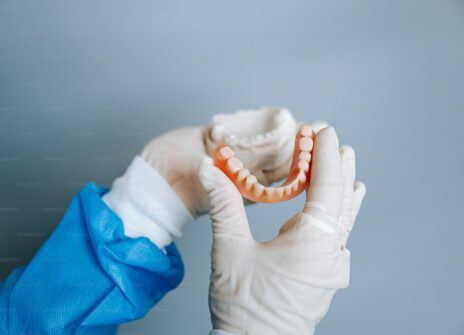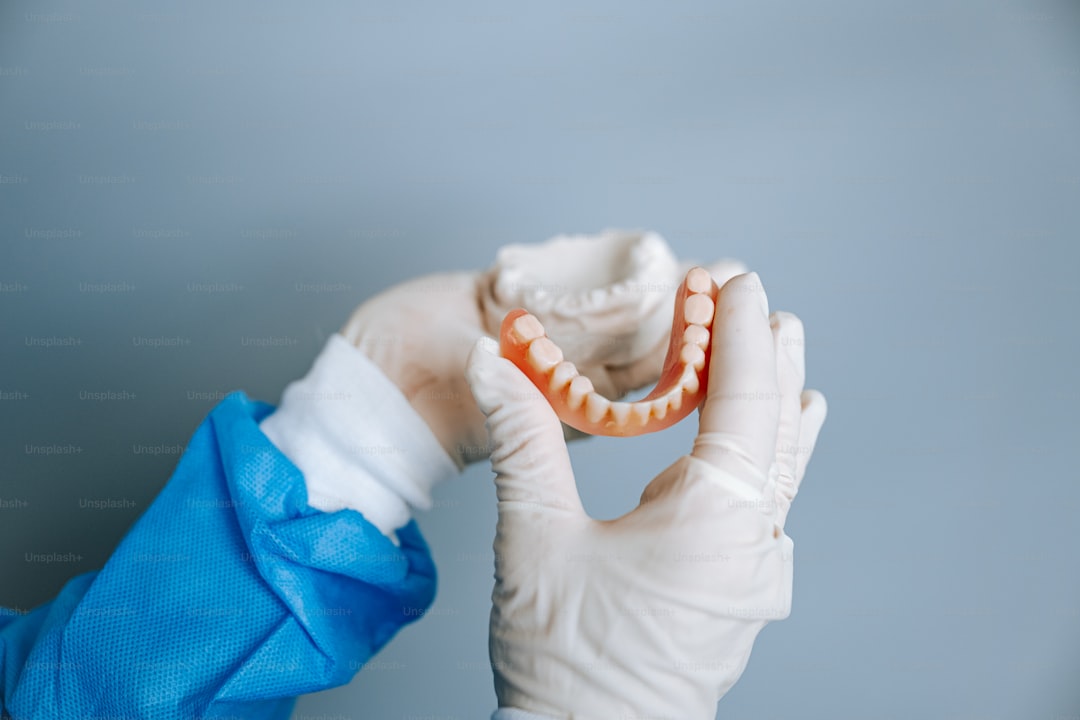
Denture adhesive is not inherently dangerous, but using too much of it can lead to excessive zinc intake, which has been linked to neurological damage. If you rely on adhesive to keep your dentures stable, it may be a sign that your dentures need adjusting or that a more permanent solution such as dental implants would serve you better.
Many people who wear dentures find adhesive helpful. It improves stability during eating and speaking, and gives the wearer greater confidence in social situations. A thin, correctly applied layer of adhesive is perfectly safe for most patients.
The problem arises when dentures fit poorly. An ill-fitting denture moves and rocks, prompting the wearer to apply more and more adhesive to compensate. This is where the health risks begin.
Zinc is an essential mineral that supports immune function and cell growth. It is found naturally in foods such as beef, eggs, and fish. It is also a common ingredient in many denture adhesive formulations.
The body needs zinc in small amounts. Excessive intake disrupts the balance of other minerals, particularly copper. Over time, this copper deficiency can cause serious health problems.
| Risk Factor | Detail |
|---|---|
| Source of excess zinc | Overuse of zinc-containing denture adhesive |
| Short-term symptoms | Nausea, stomach pain, irritated mouth |
| Long-term risk | Copper deficiency leading to neurological damage |
| Who is most at risk | Patients with ill-fitting dentures who over-apply adhesive |
| Safe application amount | A series of small dots or a thin film |
You are likely overusing denture adhesive if:
If any of these apply, your dentures almost certainly need professional assessment.
Safe use of denture adhesive involves three principles:
1. Follow the manufacturer’s instructions for the correct amount to apply
2. Have your dentures evaluated every six months at your dental practice to ensure proper fit
3. Do not use adhesive to compensate for poor fit as this masks a problem that needs professional attention
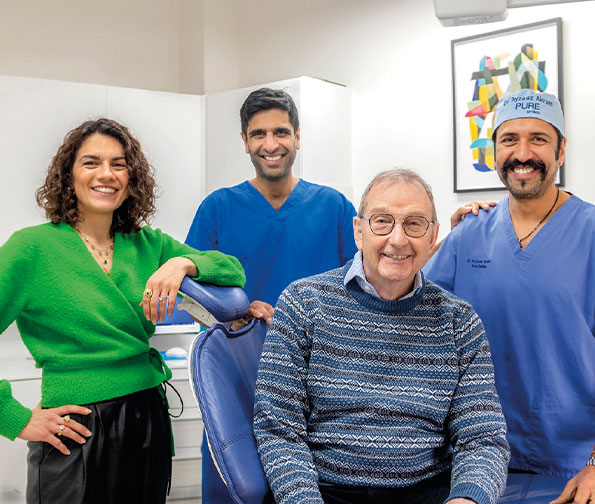
At Pure Smiles, Dr Ayzaaz Akram and the team assess denture fit as part of routine check-ups at both our 257 New Kings Road and 750a Fulham Road practices.
Dental implants offer a solution that eliminates the need for denture adhesive entirely. There are two main approaches:
Implant-retained dentures clip securely onto implants placed in the jawbone. The denture is still removable for cleaning, but it is held firmly in place without any adhesive. Two to four implants are typically sufficient for a lower denture.
For patients who want to avoid removable dentures altogether, fixed implant teeth are permanently attached to implants. You never take them out. They look, feel, and function like natural teeth.
| Option | Removable? | Adhesive Needed? | Typical Implants Required |
|---|---|---|---|
| Traditional denture | Yes | Often | None |
| Implant-retained denture | Yes (for cleaning) | No | 2-4 |
| Fixed implant teeth | No | No | 4-6 |
The improvement in quality of life for patients who move from traditional dentures to implant-supported solutions is significant:
Denture adhesive is safe when used in the recommended amount, which is a series of small dots or a thin film. However, if you find yourself needing excessive amounts to keep your dentures stable, this indicates a fit problem that should be assessed by your dentist.
Yes. Chronic overuse of zinc-containing denture adhesive can lead to copper deficiency, which has been linked to peripheral neuropathy and other neurological conditions. This is why correct application and regular denture assessments are essential.
Most adults with sufficient jawbone density are suitable candidates for dental implants. A consultation at Pure Smiles includes a thorough assessment of your bone health, medical history, and treatment goals. Book a consultation to find out if implants are right for you.
While the upfront cost of dental implants is higher than dentures, implants are a long-term investment that can last decades with proper care. They also eliminate the ongoing cost of adhesives, relining, and denture replacements. We offer flexible payment options at Pure Smiles.
—
Pure Smiles has provided implant dentistry in Fulham since 2009. Call 020 7736 6276 to arrange your implant consultation at 257 New Kings Road, SW6 4RB or 750a Fulham Road, SW6 5SH.