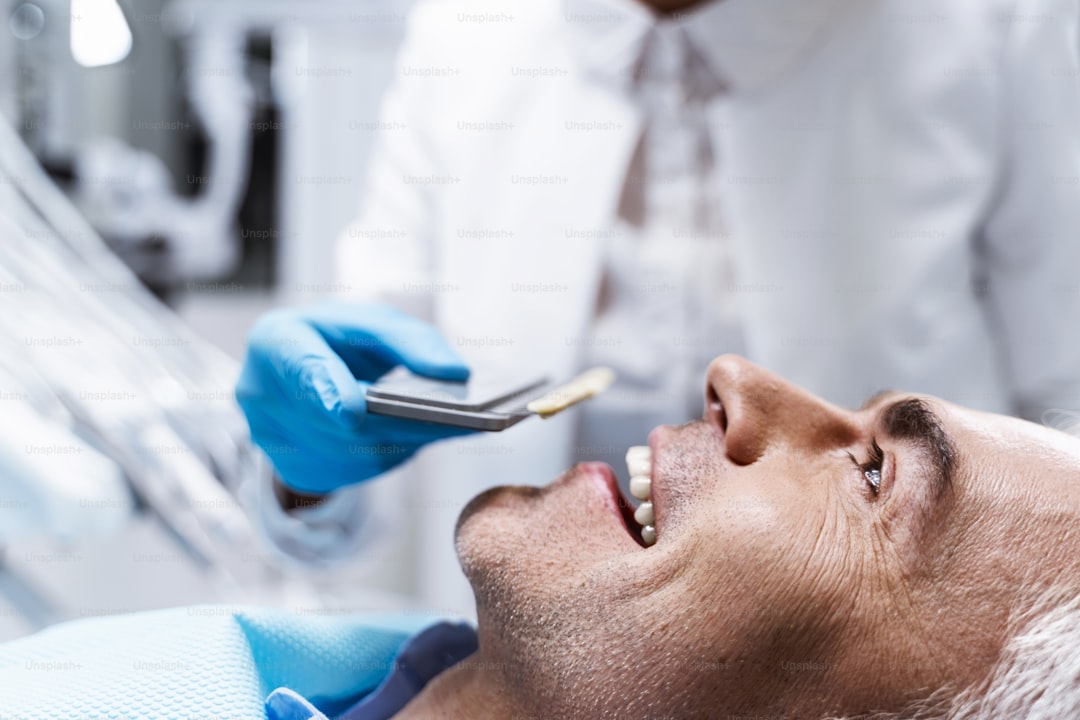
Early stage gum disease, known as gingivitis, is a mild but common form of periodontal disease caused by plaque buildup along the gumline. It affects between 50% and 90% of adults at some point in their lives, making it one of the most widespread oral health conditions. Gingivitis is not permanent — when caught early, it is entirely reversible through improved oral hygiene and professional dental care.
At Pure Smiles in Fulham, we help patients identify and treat gum disease before it progresses to periodontitis, which can lead to tooth loss and other serious complications.
Bleeding gums are the most common first sign of gingivitis. If you regularly notice red or pink saliva after brushing, this is not normal. Bleeding occurs because plaque and tartar buildup between the teeth inflames the gum tissue, making it more fragile and prone to bleeding when disturbed by a toothbrush or floss.
Healthy gums are light pink and firm. Gums affected by early stage gum disease often appear dark red, swollen, or puffy. This discolouration is a visible sign of inflammation and should not be ignored, even if you are not experiencing pain.
Gingivitis can cause your gums to feel unusually tender when exposed to hot or cold temperatures, or when chewing food. Occasional sensitivity is normal, but persistent daily tenderness is a warning sign that warrants a dental assessment.
Bad breath that does not improve with regular brushing and mouthwash may indicate gum disease. Bacteria that accumulate below the gumline produce sulphur compounds that cause an unpleasant odour. Halitosis is not always caused by food — it can be a sign of underlying oral infection.
| Warning Sign | What It Indicates | Action Required |
|---|---|---|
| Bleeding when brushing | Plaque-related gum inflammation | Improve brushing technique; see a hygienist |
| Dark red or swollen gums | Active gingivitis | Book a dental check-up |
| Persistent gum tenderness | Gum tissue irritation | Monitor and consult a dentist if daily |
| Chronic bad breath | Bacterial buildup below gumline | Professional cleaning recommended |
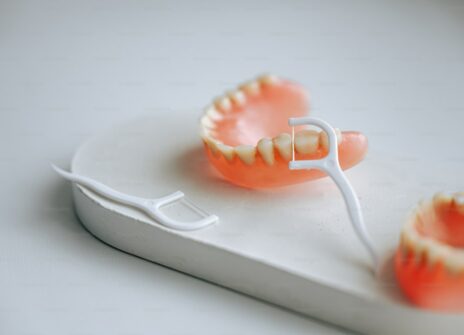
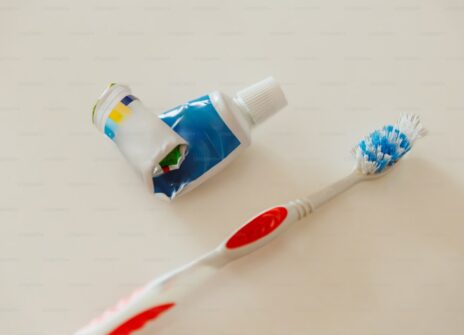
Preventing gingivitis starts with a consistent daily oral hygiene routine:
For many patients, these improvements to their daily routine are enough to reverse early gingivitis and restore gum health.
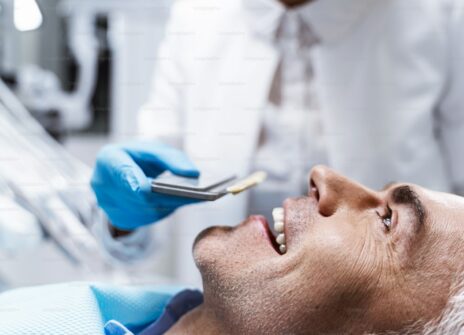
If your symptoms persist despite improving your oral hygiene at home, it is time to see a dental professional. At Pure Smiles, our dentists and hygienists will:
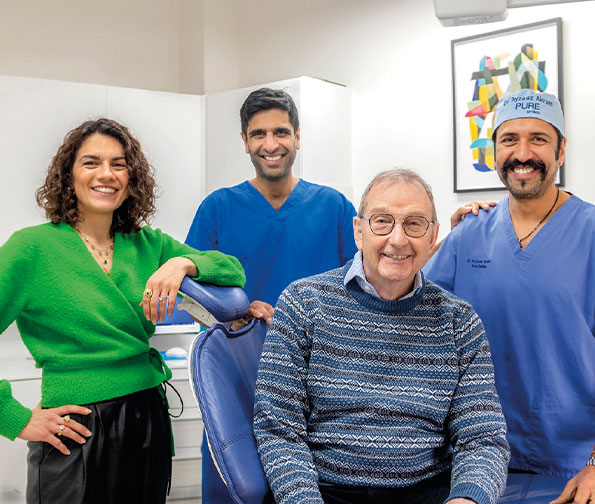
Dr Ayzaaz Akram (BDS Liverpool, GDC 70996) and the Pure Smiles team have been helping families in Fulham, SW6, maintain healthy gums since 2009. We believe in preventative care — catching gum disease early is always better than treating advanced periodontal disease later.
Gingivitis is not the same as periodontitis. Gingivitis is the early, reversible stage of gum disease that affects only the gum tissue. If left untreated, gingivitis can progress to periodontitis, which damages the bone and connective tissue that hold your teeth in place. Periodontitis is not reversible and can result in tooth loss.
This is why early detection matters. A routine check-up at Pure Smiles can identify gingivitis before it causes lasting damage.
Very common. Research indicates that between 50% and 90% of adults experience gingivitis at some stage. It is one of the most prevalent oral health conditions and is the leading cause of tooth loss in the UK when left untreated.
Yes, early stage gum disease (gingivitis) is fully reversible with improved oral hygiene and professional dental cleaning. However, advanced gum disease (periodontitis) causes permanent damage to bone and tissue and can only be managed, not cured.
We recommend visiting your dentist at least twice a year for routine check-ups, and seeing a dental hygienist between appointments for professional cleaning. If you notice any warning signs of gum disease, book an appointment sooner rather than waiting for your next scheduled visit.
Yes. Bacteria that accumulate below the gumline produce sulphur compounds that cause persistent bad breath. If regular brushing and mouthwash are not improving your halitosis, gum disease may be the underlying cause.
Pure Smiles has two locations in Fulham, SW6: 257 New Kings Road, SW6 4RB, and 750a Fulham Road, SW6 5SH. Call us on 020 7736 6276 to schedule an appointment.