Dental implants last between 20 and 30 years on average, and many last a lifetime with proper care. The titanium implant post itself does not decay or deteriorate. The crown attached to the implant may need replacing after 15 to 20 years due to normal wear, but the post can remain permanently fused to your jawbone.
At Pure Smiles in Fulham, we place dental implants designed to be a permanent solution for missing teeth. The longevity of modern implants has improved significantly as materials, surgical techniques and aftercare protocols have advanced. learn more
Several factors determine whether your dental implant lasts 15 years or a lifetime.
| Factor | Impact on Implant Longevity |
|---|---|
| Oral hygiene routine | Consistent brushing and flossing prevents peri-implantitis (infection around the implant) |
| Diet | High sugar and acid diets damage surrounding gums and teeth, compromising implant stability |
| Smoking | Significantly increases implant failure risk by impairing blood flow and healing |
| Teeth grinding (bruxism) | Excessive force can loosen the implant or fracture the crown |
| Regular dental check-ups | Professional monitoring detects early problems before they become serious |
| Quality of initial placement | Precise surgical technique and proper planning improve long-term success |
| General health | Conditions such as uncontrolled diabetes can affect bone healing |
Good oral hygiene is not optional with dental implants. It is the single most important factor in determining whether your implant lasts decades or fails prematurely. Neglecting brushing and flossing risks peri-implantitis, an inflammatory condition that can destroy the bone supporting the implant.
It is important to understand that a dental implant is a two-part system with different expected lifespans.
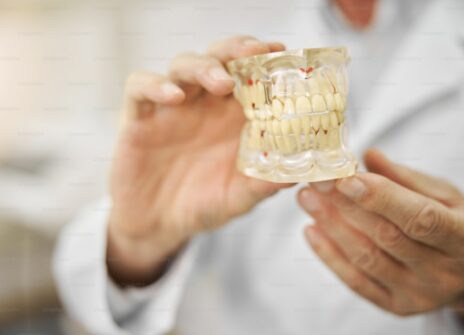
The titanium or zirconium oxide post is placed directly into the jawbone and fuses with the bone through osseointegration. This post is designed to last permanently. Titanium is biocompatible, corrosion-resistant and does not decay. Once fully integrated, it functions like a natural tooth root.
The visible crown is typically made from porcelain or zirconia. While extremely durable, crowns experience daily biting forces and normal wear. Most implant crowns last 15 to 20 years before requiring replacement. Replacing the crown is a straightforward procedure that does not affect the implant post beneath it. learn more
Understanding the implant procedure helps explain why implants are so durable when placed correctly.
1. Local anaesthetic is administered so you feel no pain during placement
2. A small incision is made in the gum tissue
3. The titanium post is carefully positioned into the jawbone using guided surgical protocols
4. A crown is attached to the implant post after the healing period (typically 8 to 16 weeks)
If the gums have receded or there is insufficient bone depth, the implant may be placed into the jawbone or cheekbone to provide adequate support. This is assessed during your CBCT scan at the consultation stage.
| Procedure Detail | What to Expect |
|---|---|
| Anaesthetic | Local anaesthetic; sedation available for nervous patients |
| Procedure duration | 30 to 60 minutes per implant |
| Post-procedure discomfort | Mild; manageable with over-the-counter painkillers |
| Healing period | 8 to 16 weeks for osseointegration |
| Follow-up appointments | Regular reviews at our Fulham practice during healing |
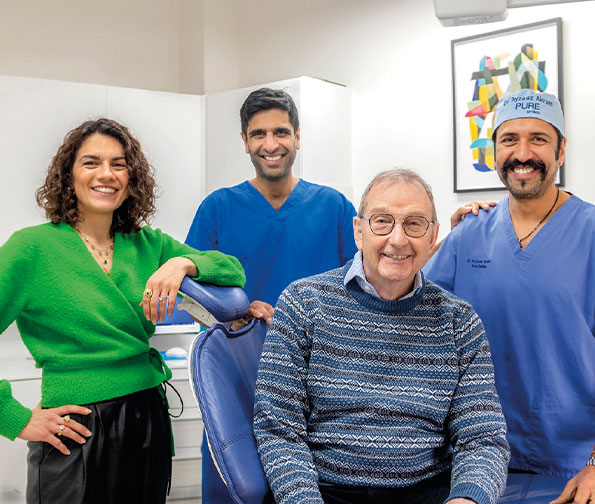
At Pure Smiles, we tailor our approach to nervous patients using slow dentistry techniques. Dr Ayzaaz Akram (BDS Liverpool 1995, GDC 70996) ensures every patient feels comfortable and fully informed before, during and after the procedure. learn more
Follow these care guidelines to maximise the lifespan of your dental implants:
Book an appointment at Pure Smiles if you notice any of the following:
Early intervention can often resolve problems before they affect the long-term success of the implant. Contact Pure Smiles on 020 7736 6276 or visit us at 257 New Kings Road, SW6 4RB or 750a Fulham Road, SW6 5SH. learn more
The titanium implant post itself rarely needs replacing. If it fails, it is usually due to peri-implantitis or significant bone loss, both of which are largely preventable with good oral hygiene and regular dental visits. The crown may need replacing after 15 to 20 years due to normal wear, which is a routine procedure.
Yes. When measured over 20 years, dental implants are often more cost-effective than bridges or dentures, which need replacing every 5 to 15 years. A well-maintained implant can last a lifetime, making the higher upfront cost a sound long-term investment.
Teeth grinding places excessive force on the implant crown and can lead to fractures or loosening over time. If you grind your teeth, your dentist can fit a custom night guard to protect both your implants and natural teeth. Pure Smiles offers Cerezen, a medical device worn in the ear that can help reduce grinding. learn more
Dental implants last 20 years or more, while dentures typically need replacing every 5 to 10 years and require regular relining. Implants also preserve jawbone density, whereas bone loss continues beneath dentures. Over a lifetime, implants provide superior stability, comfort and durability.