Mouth cancer is one of the fastest-growing cancers in the United Kingdom, with cases increasing by 68 per cent over the past 20 years according to Cancer Research UK. Early detection transforms survival rates from approximately 50 per cent to 90 per cent, which is why knowing what to look for at home is genuinely life-saving.
At Pure Smiles in Fulham, mouth cancer screening is a standard part of every dental check-up. Our dentists examine your lips, tongue, gums, cheeks and the floor and roof of your mouth for any unusual changes. But we also want our patients to know what to check for between visits.
Mouth cancer, also called oral cancer, is the abnormal growth of cells in any part of the oral cavity. It can develop on the lips, tongue, gums, inner lining of the cheeks, the roof of the mouth (palate) or the floor of the mouth beneath the tongue.
Mouth cancer is not a single disease. It includes several types of malignancy, with squamous cell carcinoma being the most common, accounting for approximately 90 per cent of all oral cancers.
The Oral Health Foundation identifies three key symptoms that require urgent attention:
| Warning Sign | What to Look For |
|---|---|
| **Ulcers that do not heal** | Any mouth ulcer that persists for longer than three weeks should be examined by a dentist or GP |
| **Red or white patches** | Unexplained red patches (erythroplakia) or white patches (leukoplakia) on the tongue, gums or lining of the mouth |
| **Unusual lumps or swellings** | Any new lump, thickening or swelling in the mouth, head or neck area that does not go away |
These symptoms are not always cancer. Many mouth ulcers, patches and lumps have benign causes. However, the only way to confirm this is through professional examination. The risk of ignoring a symptom that turns out to be cancerous is far greater than the inconvenience of having a harmless lump checked.
Beyond the three primary warning signs, other symptoms associated with mouth cancer include:
Any of these symptoms lasting longer than three weeks warrants a professional assessment. Early-stage mouth cancer is often painless, which is why visual self-checks are so important.
Mouth cancer is not entirely preventable, but understanding the risk factors can help you make informed decisions about your health.
Tobacco use. Smoking cigarettes, cigars or pipes and using smokeless tobacco products are the single largest risk factors for mouth cancer. Smokers are six times more likely to develop oral cancer than non-smokers.
Alcohol consumption. Heavy or frequent alcohol use significantly increases the risk. The combination of smoking and drinking raises the risk far more than either habit alone.
HPV infection. The human papillomavirus, particularly HPV-16, has been linked to an increasing number of oral cancers, especially in younger adults.
Sun exposure. Prolonged sun exposure increases the risk of lip cancer. Using a lip balm with SPF protection is a simple preventive measure.
Age and gender. Mouth cancer is more common in people over 40 and is roughly twice as common in men as in women, though the gap is narrowing.
A self-examination takes less than a minute and should become a regular habit. Stand in front of a well-lit mirror and work through the following steps:
1. Lips. Pull your upper and lower lips outward and check for any sores, patches or colour changes on the inner surface.
2. Gums. Run your finger along your gum line, checking for lumps or tender areas.
3. Cheeks. Pull each cheek outward and examine the inner lining for red or white patches.
4. Tongue. Stick your tongue out and look at the top surface, then lift it to check underneath. Gently hold the tip and look at each side.
5. Floor of the mouth. Tilt your head back and look at the roof of your mouth. Then look at the floor beneath your tongue.
6. Neck and jaw. Feel along both sides of your neck and under your jaw for any swelling or lumps.
If you notice anything unusual, do not wait. Contact your dentist or GP immediately.
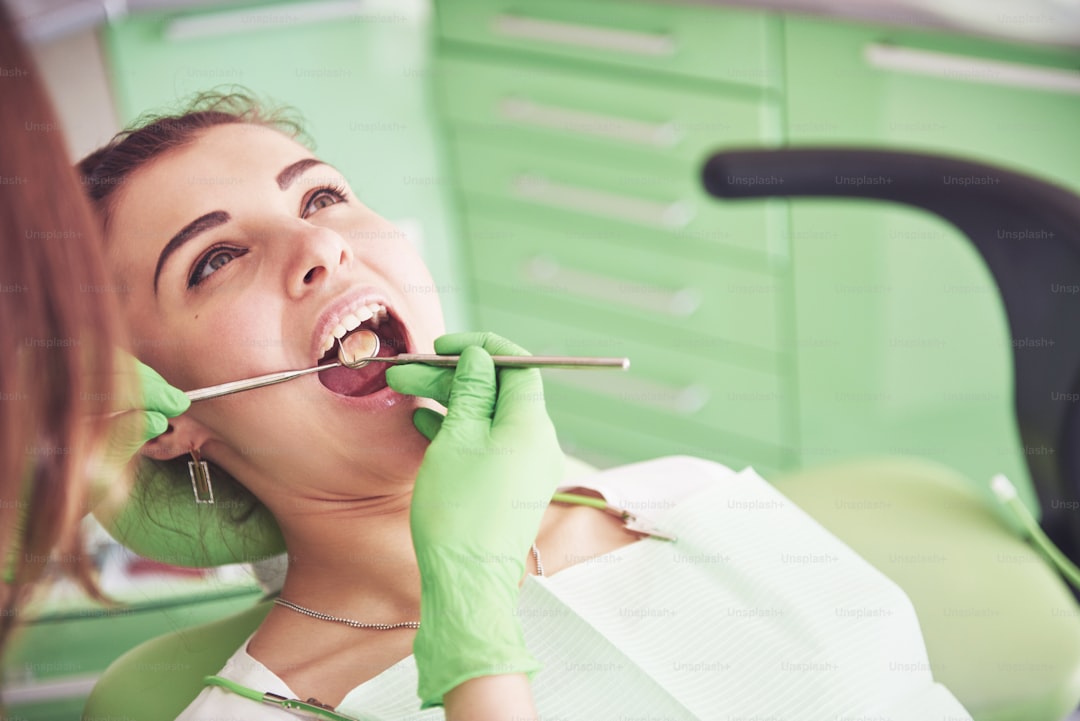
Mouth cancer screening is not a separate appointment. It is a standard part of every routine dental examination at Pure Smiles. During your learn more regular check-up, our dentists visually examine the entire oral cavity and surrounding tissues for any signs of abnormality.
Many mouth cancers are diagnosed by dentists during routine check-ups rather than because the patient noticed symptoms themselves. This is one of the strongest arguments for maintaining regular dental visits, even when your teeth feel perfectly fine.
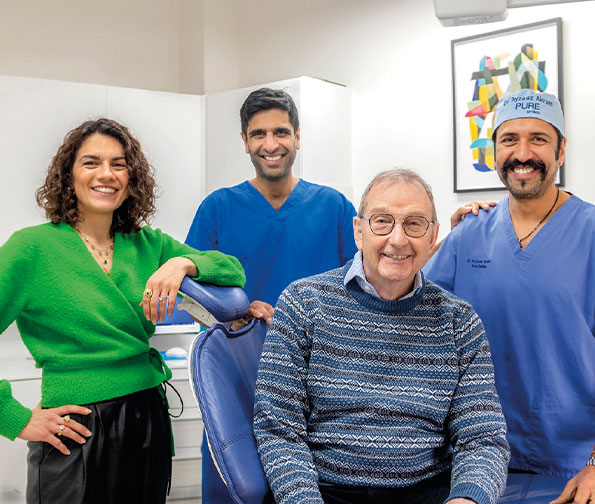
Pure Smiles has been providing dental care in Fulham since 2009. Dr Ayzaaz Akram (BDS University of Liverpool 1995, GDC 70996) and our team carry out thorough oral examinations at every appointment, including visual screening for mouth cancer.
Visit us at either of our two practices:
If you have any concerns about changes in your mouth, call us on 020 7736 6276 or learn more contact us online. Do not wait for symptoms to worsen.
—
In its earliest stages, mouth cancer may appear as a painless white or red patch on the tongue, gums or inner cheek, or as a small ulcer that does not heal within three weeks. It is often not painful initially, which is why regular visual self-checks and dental examinations are so important.
Yes, particularly when it is detected early. The five-year survival rate for mouth cancer diagnosed at an early stage is approximately 90 per cent. When the disease is diagnosed at a later stage, the survival rate drops to around 50 per cent. Early detection through regular dental check-ups and self-examination is the most effective way to improve outcomes.
People who smoke, use smokeless tobacco or drink alcohol heavily are at the highest risk. The combination of smoking and heavy drinking increases the risk significantly more than either habit alone. HPV infection is also an increasing risk factor, particularly among younger adults. However, mouth cancer can affect anyone, regardless of age or lifestyle.
You should perform a brief self-examination at least once a month. This takes less than a minute and involves checking your lips, gums, cheeks, tongue, the floor and roof of your mouth, and your neck for any unusual changes. Additionally, attending regular dental check-ups ensures a professional examination at least twice a year.