Your mouth is not separate from the rest of your body. Poor oral health is linked to heart disease, diabetes, respiratory infections, and adverse pregnancy outcomes. Looking after your teeth and gums is one of the simplest ways to protect your overall wellbeing.
At Pure Smiles in Fulham, we see first-hand how patients who maintain good oral hygiene enjoy better general health. Here is what the science says and what you can do about it.
Bacteria from infected gums can enter the bloodstream and travel to other organs. This is not a theoretical risk. Research published in the British Medical Journal has established clear associations between periodontal disease and systemic conditions including cardiovascular disease and type 2 diabetes.
Gum disease is also linked to:
The good news is that these risks drop significantly when you maintain a clean, healthy mouth.
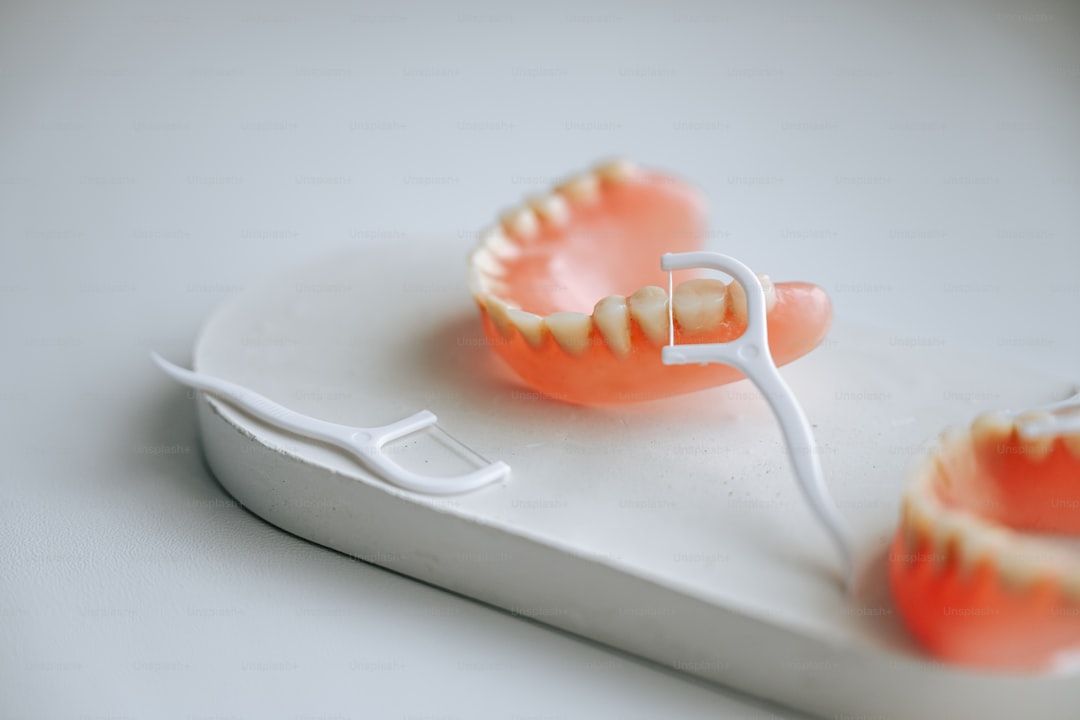
Cleaning between your teeth is not optional. Interdental brushes, dental floss, water flossers, and air flossers loosen bacteria and food debris that a toothbrush alone cannot reach. This allows subsequent brushing to remove far more plaque.
A study by the Oral Health Foundation found that a quarter of adults admit to lying to their dentist about their flossing habits. If you are one of them, there is no judgement here, only encouragement to start.
Key point: Those who clean between their teeth before brushing are left with a significantly cleaner mouth than those who do it afterwards.
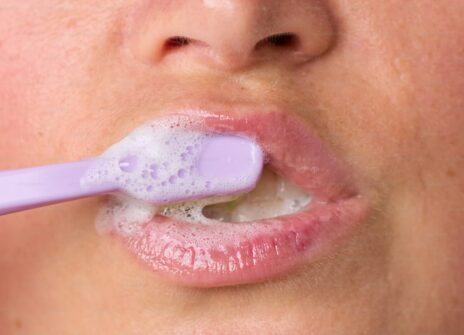
Brushing for two minutes last thing at night and at one other time during the day with fluoride toothpaste is the foundation of good oral health. Daily brushing removes plaque. If plaque is not removed, it builds up, feeds on food debris, and causes both tooth decay and gum disease.
After brushing, spit out the toothpaste but do not rinse with water or mouthwash. Rinsing washes away the fluoride that continues to strengthen and protect your enamel after you have finished brushing.
Diet plays a significant role in oral health. Sugary foods and fizzy drinks damage teeth and leave them vulnerable to erosion and decay.
| Habit | Effect on Teeth | Better Alternative |
|---|---|---|
| Snacking on sweets throughout the day | Repeated acid attacks on enamel | Keep sugar to mealtimes only |
| Drinking fizzy drinks regularly | Enamel erosion and increased decay risk | Water, milk, or sugar-free alternatives |
| Grazing on starchy snacks | Prolonged acid production | Cheese, nuts, or raw vegetables |
Avoiding snacking between meals gives your saliva time to neutralise acids and repair early enamel damage naturally.
Despite the clear benefits of regular dental visits, as many as 27% of adults only visit the dentist when they have a problem. By attending regular check-ups, your dentist and hygienist can detect issues early, provide professional cleaning, and help you maintain a healthy mouth long-term.
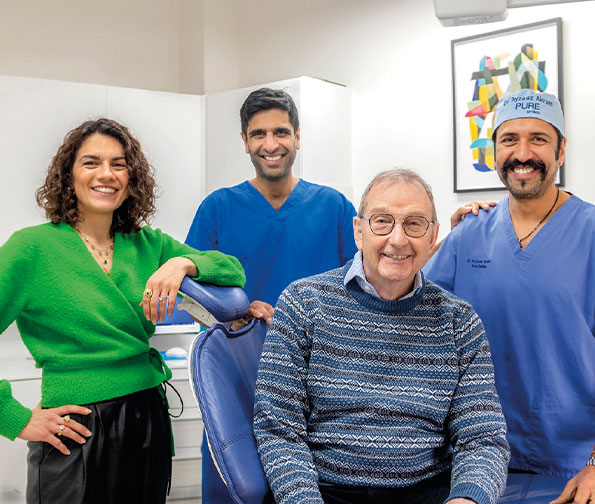
At Pure Smiles, Dr Ayzaaz Akram and the team provide comprehensive examinations at both our 257 New Kings Road and 750a Fulham Road practices.
You should book an appointment if you notice any of the following:
These are signs that bacteria may already be causing damage. Early intervention is always less invasive and more effective than waiting.
Yes. Research consistently shows that bacteria from gum disease can enter the bloodstream and contribute to heart disease, diabetes complications, respiratory infections, and other systemic conditions. Maintaining good oral hygiene is a proven way to reduce these risks.
You should floss or use interdental brushes before brushing. This loosens plaque and debris so that your toothbrush and fluoride toothpaste can work more effectively on cleaner tooth surfaces.
Rinsing washes away the concentrated fluoride from your toothpaste. Fluoride continues to protect and strengthen your enamel after brushing, so spitting without rinsing gives your teeth longer exposure to this benefit.
Most adults should visit their dentist every six to twelve months, depending on their individual risk factors. Your dentist at Pure Smiles will recommend a schedule tailored to your needs. Book a check-up today.
—
Pure Smiles has served the Fulham community since 2009, with practices at 257 New Kings Road, SW6 4RB and 750a Fulham Road, SW6 5SH. Call 020 7736 6276 to book your appointment.