Yes. Research consistently shows that maintaining good oral health significantly reduces your risk of developing mouth cancer, and may also lower your risk of throat and pancreatic cancer. In the UK, around 8,300 people are diagnosed with mouth cancer every year — but when detected early, mouth cancer has a survival rate of approximately 90%.
Poor oral hygiene is not just a cosmetic concern. It is a genuine health risk factor that contributes to bacterial imbalance, chronic inflammation and conditions that can lead to oral and systemic cancers.
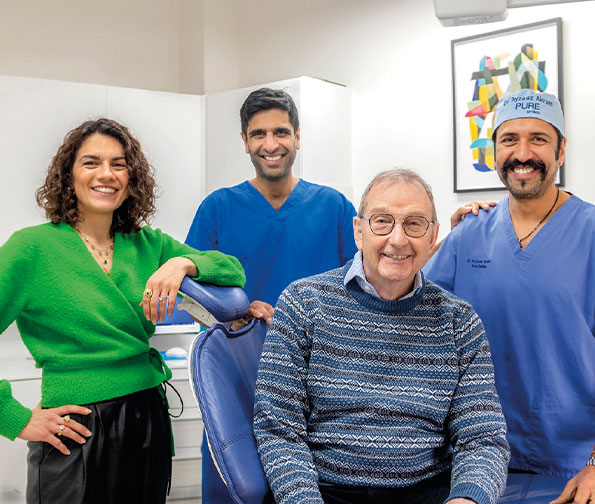
At Pure Smiles in Fulham, we include mouth cancer screening as a standard part of every dental health examination. Early detection saves lives, and routine check-ups are one of the simplest and most effective ways to protect yourself. learn more
The connection between oral health and cancer is supported by extensive research. Chronic bacterial infections, gum disease and persistent inflammation in the mouth create an environment where abnormal cell changes are more likely to occur.
| Risk Factor | How It Increases Cancer Risk |
|---|---|
| Poor oral hygiene | Allows harmful bacteria to accumulate, causing chronic inflammation |
| Gum disease (periodontitis) | Chronic gum inflammation is linked to increased risk of mouth and pancreatic cancer |
| Smoking and tobacco use | The single biggest risk factor for mouth cancer; also impairs healing |
| Excessive alcohol consumption | Alcohol damages mouth tissue, making cells more vulnerable to carcinogens |
| High sugar diet | Feeds bacteria that cause decay and gum disease |
| HPV infection | Certain strains of the human papillomavirus are linked to throat cancer |
The good news is that most of these risk factors are modifiable. Better oral hygiene, dietary changes and regular dental visits can substantially reduce your risk.
Brushing twice daily — once in the morning and once before bed — is the foundation of good oral health. Each time you skip brushing, bacteria multiply and plaque accumulates, increasing inflammation in the gums.
Consider this: if you skip brushing one day per week, you are reducing your oral hygiene by 14% over the course of a year. Research suggests that three in ten people in the UK only brush once a day — a habit that measurably increases the risk of gum disease and, by extension, oral cancer.
Use a fluoride toothpaste and a soft-bristled toothbrush (electric is recommended for more effective plaque removal). Brush for a minimum of two minutes each time. learn more
In the UK, approximately 33% of adults have never flossed. Flossing removes bacteria and food debris from between teeth and below the gumline — areas that a toothbrush cannot reach.
Daily flossing reduces the bacterial load in your mouth, helps prevent gum disease and keeps your gums healthy. Healthy gums mean less chronic inflammation, which is one of the conditions linked to cancer development.
Self-awareness is a powerful tool. Check your mouth regularly for:
If you notice any of these symptoms, book an appointment with your dentist promptly. Early detection of mouth cancer dramatically improves treatment outcomes.
| Change | Impact on Oral Cancer Risk |
|---|---|
| Stop smoking | Reduces risk by up to 50% within five years of quitting |
| Reduce alcohol intake | Lowers tissue damage and vulnerability to carcinogens |
| Cut down on sugar | Reduces decay and bacterial growth |
| Eat more fruit and vegetables | Nutrients support immune function and tissue repair |
| Stay hydrated | Adequate water intake supports saliva production, which protects mouth tissue |
Smoking combined with heavy alcohol consumption multiplies the risk of mouth cancer significantly. Eliminating either habit reduces your risk; eliminating both has the greatest protective effect.
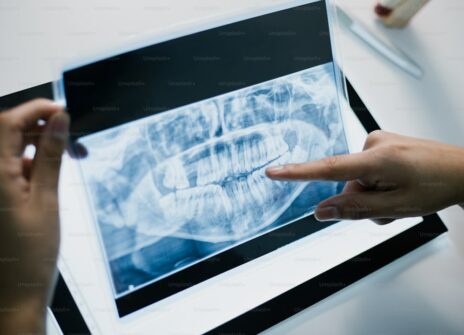
Routine dental visits are about far more than checking for cavities. At Pure Smiles, every examination includes a thorough mouth cancer screening. Your dentist checks the soft tissues of your mouth, tongue, throat and neck for any abnormalities.
Many early-stage mouth cancers are painless and invisible to the patient. A trained dentist can detect changes that you would not notice yourself, which is why regular check-ups — ideally every six months — are one of the most important things you can do for your long-term health.
Pure Smiles is a family-run dental practice established in 2009, led by Dr Ayzaaz Akram (BDS Liverpool 1995, GDC 70996). We provide thorough dental health examinations including mouth cancer screening at both of our Fulham locations — 257 New Kings Road, SW6 4RB and 750a Fulham Road, SW6 5SH.
If you have noticed any changes in your mouth, or if it has been more than six months since your last dental check-up, book an appointment by calling 020 7736 6276. Prevention and early detection are always better than treatment. learn more
Yes. Consistent brushing reduces bacterial buildup and chronic gum inflammation — both of which are linked to an increased risk of mouth cancer and potentially other cancers. Brushing twice daily with fluoride toothpaste is one of the simplest and most effective preventive measures.
We recommend a mouth cancer screening at every routine dental check-up, which should be every six months. At Pure Smiles in Fulham, this screening is included as standard in every dental examination at no additional cost.
Early signs include persistent mouth ulcers that do not heal within three weeks, red or white patches on the gums or tongue, unexplained lumps or swellings, numbness, difficulty swallowing or a persistent sore throat. If you notice any of these symptoms, see your dentist as soon as possible — early detection gives a survival rate of approximately 90%.
Research shows a correlation between chronic gum disease (periodontitis) and increased risk of certain cancers, including mouth cancer and pancreatic cancer. The chronic inflammation associated with untreated gum disease is believed to be a contributing factor. Treating and preventing gum disease through good oral hygiene and regular dental visits reduces this risk.