Teeth grinding, known clinically as bruxism, is the involuntary clenching, grinding or gnashing of teeth. It is one of the most common dental conditions in the UK, affecting an estimated 8-10% of adults. At Pure Smiles in Fulham, we diagnose and treat bruxism at both our SW6 practices on New Kings Road and Fulham Road.
Bruxism is not just a harmless habit that resolves on its own. It is a progressive condition that, left untreated, can wear down enamel, fracture teeth, damage fillings and lead to chronic jaw pain. Approximately 80% of teeth grinding occurs subconsciously during sleep, which means many patients are unaware of the problem until significant damage has already occurred.
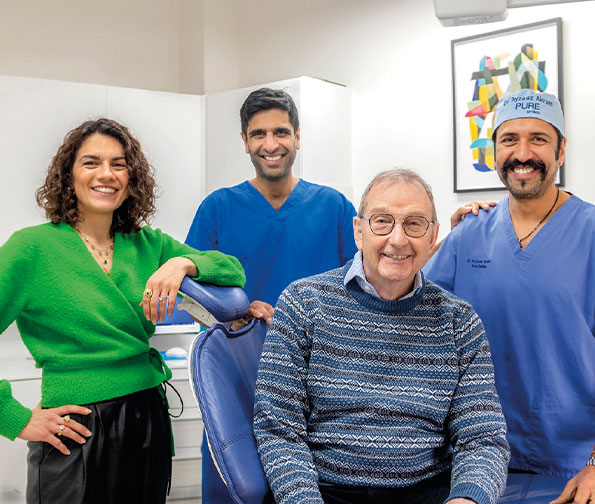
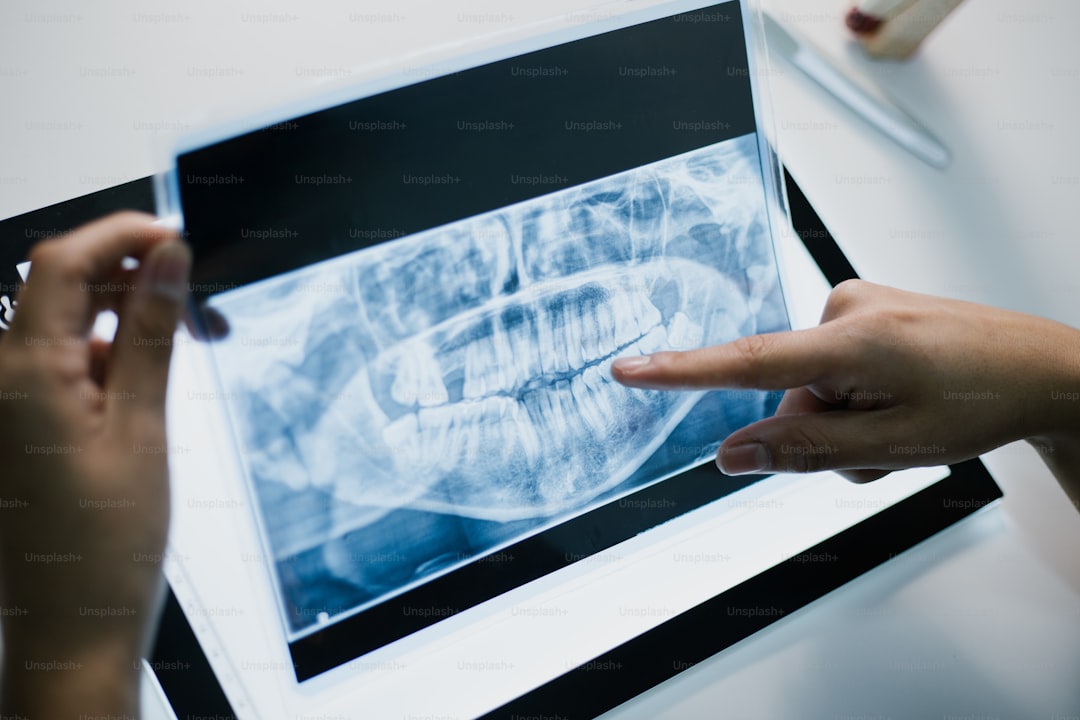
If you suspect you are grinding your teeth, the first step is a thorough dental examination. Dr Ayzaaz Akram (BDS Liverpool 1995, GDC 70996) can assess wear patterns on your teeth and recommend the most appropriate teeth grinding treatment for your situation. learn more
Many bruxism patients visit their dentist or GP for symptoms they do not initially connect to teeth grinding. Morning headaches, facial pain and earache are all classic indicators. Recognising these signs early leads to faster diagnosis and less damage to your teeth.
If you recognise any of these symptoms, book an appointment at Pure Smiles in Fulham. Early intervention prevents long-term damage to your teeth and jaw joint. learn more
Understanding whether what you are experiencing is a cause or a symptom of bruxism is important for effective treatment. The table below separates the two.
| Causes (What Triggers Bruxism) | Symptoms (What Bruxism Causes) |
|---|---|
| Stress and anxiety | Morning headaches |
| Sleep disorders (including sleep apnoea) | Facial and jaw muscle pain |
| Excessive alcohol consumption | Earache and tinnitus |
| Smoking and tobacco use | Tooth sensitivity |
| Recreational drug use (cocaine, MDMA, ecstasy) | Fractured or chipped teeth |
| High caffeine intake (especially after 2-3pm) | Worn-down enamel |
| Misaligned bite (malocclusion) | TMJ pain and clicking |
| Certain medications (SSRIs, antidepressants) | Disrupted sleep |
| Sedentary lifestyle and poor fitness | Stiffness in neck and shoulders |
This is not an exhaustive list. Some patients have multiple overlapping causes, and a thorough assessment at our Fulham practice will identify which factors are relevant to you.
The most effective approach to bruxism combines protective dental treatment with lifestyle modifications. At Pure Smiles, we tailor every treatment plan to the individual patient.
The single most effective teeth grinding treatment is a custom-made occlusal splint, commonly called a night guard or mouthguard. This is not the same as a boil-and-bite sports guard from a pharmacy. It is a precision-fitted dental appliance made from impressions of your teeth.
At Pure Smiles, we offer several types of occlusal splint:
Dr Akram will assess your bite, wear patterns and jaw joint function before recommending the most suitable appliance. Most patients notice a significant reduction in symptoms within the first two weeks of consistent nighttime use. learn more
There is a well-documented relationship between obstructive sleep apnoea (OSA) and teeth grinding, though the exact mechanism is not fully understood. Research suggests that micro-arousals caused by airway obstruction during sleep trigger a clenching reflex.
If you snore heavily, wake feeling unrefreshed or have been told you stop breathing during sleep, mention this at your appointment. We can refer you for a sleep study and, where appropriate, provide a mandibular advancement device that treats both conditions simultaneously. learn more
Dental appliances protect your teeth, but addressing the root causes of bruxism delivers the best long-term results. The following evidence-based strategies can significantly reduce grinding.
Stress is the most common trigger for bruxism in adults. Practical steps include:
Alcohol before bed reduces sleep quality and increases the likelihood of grinding, even in small quantities. You may fall asleep quickly, but the sleep itself is lighter and more fragmented.
Caffeine remains active in the body for 6-8 hours. Drinking coffee, tea or energy drinks after 2-3pm can disrupt sleep quality and increase nighttime clenching. Switching to decaffeinated options in the afternoon is a straightforward change that many patients find helpful.
Smoking increases bruxism risk. Recreational drugs including cocaine, ecstasy and MDMA cause severe grinding that accumulates significant dental damage over time. If substance use is a factor, your dentist can discuss this confidentially. learn more
A better sleep environment supports deeper, less disrupted sleep:
Around 20% of bruxism occurs during waking hours. If you notice yourself clenching during the day — often while concentrating, driving or feeling stressed — consciously relax your jaw. Rest your tongue on the roof of your mouth with your teeth slightly apart. This position is not how most clenchers naturally hold their jaw, but with practice it becomes habitual.
Without treatment, chronic teeth grinding can lead to:
Early teeth grinding treatment at Pure Smiles in Fulham prevents these complications and protects your long-term dental health.
Most nighttime grinders are unaware of the habit. Common clues include waking with a headache or sore jaw, a partner hearing grinding sounds, or your dentist spotting characteristic wear patterns on your teeth during a routine examination. At Pure Smiles in Fulham, we check for bruxism signs at every check-up.
The cost of a custom occlusal splint at Pure Smiles depends on the type of appliance recommended. Custom-made splints are more effective and longer-lasting than over-the-counter alternatives. We provide a full breakdown of costs at your consultation. Call 020 7736 6276 for current pricing.
Yes. Bruxism is common in children, particularly during periods when baby teeth and adult teeth are erupting. Most children outgrow the habit naturally. However, if your child complains of jaw pain or you notice significant tooth wear, book an appointment for assessment. learn more
Bruxism can damage dental restorations including veneers, crowns and bonding. If you grind your teeth and are considering cosmetic dental work, an occlusal splint is essential to protect your investment. Dr Akram discusses this with every patient before placing restorations. learn more
Stress and anxiety are the most frequently identified triggers for bruxism in adults. While a mouthguard protects teeth from physical damage, managing the underlying stress through exercise, therapy or lifestyle changes delivers the most effective long-term improvement.
Pure Smiles is a family-run dental practice established in 2009 with two locations in Fulham, South West London:
Call 020 7736 6276 to book a bruxism assessment with Dr Ayzaaz Akram and the Pure Smiles team. Early diagnosis and the right teeth grinding treatment make a significant difference to your comfort, sleep quality and long-term dental health. learn more