Stress has a direct and measurable impact on your oral health. From teeth grinding and gum disease to dry mouth and neglected hygiene routines, chronic stress can damage your teeth and gums in ways that many people do not recognise until significant harm has already occurred.
Stress-related dental problems are not just psychological. They are physical conditions that cause real damage to teeth, gums and jaw joints — and they require dental treatment to resolve.
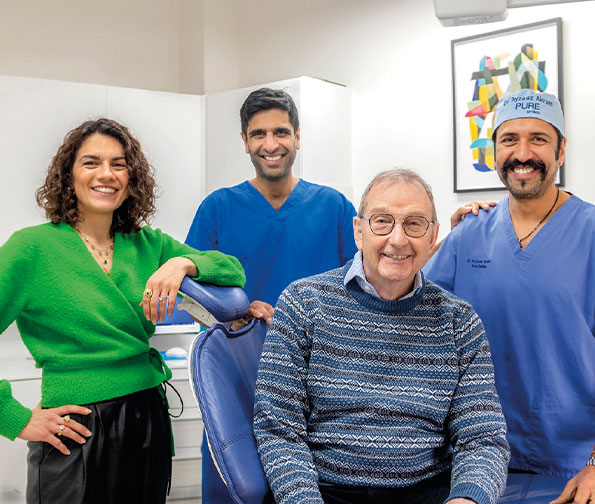
At Pure Smiles in Fulham, we see the effects of stress on oral health regularly. Dr Ayzaaz Akram (BDS Liverpool 1995, GDC 70996) is a qualified clinical hypnotherapist who helps patients manage stress and anxiety as part of a holistic approach to dental care. learn more
Bruxism is one of the most common physical responses to stress. You may clench or grind your teeth during the day without realising it, or — more commonly — during sleep when you have no conscious control.
| Bruxism Effects | Consequences If Left Untreated |
|---|---|
| Worn tooth surfaces | Enamel loss, increased sensitivity, shortened teeth |
| Tooth fractures and cracks | May require crowns, root canal treatment or extraction |
| Jaw pain (TMJ/TMD) | Chronic pain in the jaw joint, headaches, earache |
| Gum inflammation | Increased risk of gum recession and periodontal disease |
| Disrupted sleep | Grinding noises and jaw tension reduce sleep quality |
If you grind your teeth at night, a custom-made night guard (occlusal splint) worn during sleep protects your teeth from friction and absorbs the force of clenching. Pure Smiles provides custom night guards made from digital impressions of your teeth for a precise, comfortable fit. learn more
Stress triggers changes in breathing patterns — you may breathe through your mouth more when anxious, which dries out the oral tissues. Some medications for stress and anxiety (antidepressants, anti-anxiety drugs) also reduce saliva production.
Saliva is essential for oral health. It neutralises acids, washes away food particles and protects against bacterial growth. A dry mouth significantly increases your risk of:
Staying hydrated, chewing sugar-free gum to stimulate saliva flow, and avoiding caffeine and alcohol can help manage dry mouth symptoms.
When you are stressed, self-care routines are often the first thing to slip. Skipping brushing, forgetting to floss and reaching for comfort foods high in sugar and acid all compound the damage that stress causes to your mouth.
Chronic stress weakens the immune system, making it harder for your body to fight the bacteria that cause gum disease. Studies have shown a clear link between psychological stress and increased severity of periodontitis (advanced gum disease).
Managing stress is not always simple, but taking specific steps to protect your oral health during stressful periods can prevent lasting damage.
| Action | How It Helps |
|---|---|
| Maintain your brushing routine | Prevents bacterial buildup even when other habits slip |
| Wear a night guard | Protects teeth from grinding damage during sleep |
| Stay hydrated | Combats dry mouth and supports saliva production |
| Limit sugar and alcohol | Reduces the fuel for decay-causing bacteria |
| Exercise regularly | Releases endorphins that reduce stress and improve overall health |
| Book regular dental check-ups | Allows early detection and treatment of stress-related damage |
Book a dental appointment if you notice any of the following:
These symptoms may indicate bruxism, gum disease or other stress-related conditions that benefit from early treatment. The sooner you address them, the less damage is done.
Pure Smiles is a family-run dental practice established in 2009, offering a holistic approach to dental care at two Fulham locations — 257 New Kings Road, SW6 4RB and 750a Fulham Road, SW6 5SH.
Our approach goes beyond treating teeth. We address the whole patient, including the lifestyle and stress factors that affect oral health. Call 020 7736 6276 to book your appointment. learn more
Yes. Stress-induced bruxism (teeth grinding and clenching) can cause enamel wear, tooth fractures, jaw pain and gum recession. Stress also weakens the immune system, making gum disease more likely, and can lead to dry mouth, which increases decay risk. These are well-documented physical effects, not just psychological concerns.
Common signs include waking with jaw stiffness or pain, headaches (especially in the temples), earache, worn or flattened tooth surfaces and increased tooth sensitivity. A partner may also hear grinding sounds during your sleep. Your dentist can confirm bruxism by examining your teeth for wear patterns.
A night guard (occlusal splint) is a custom-made plastic device worn over your teeth during sleep. It prevents your upper and lower teeth from making contact, absorbing the force of grinding and clenching. This protects your enamel, reduces jaw strain and can significantly improve sleep quality. At Pure Smiles, night guards are fabricated from digital impressions for a precise, comfortable fit.
Yes. Dr Ayzaaz Akram is a qualified clinical hypnotherapist who offers hypnotherapy to help patients manage dental anxiety, stress and related conditions such as bruxism. This is part of our holistic approach to dental care at Pure Smiles in Fulham. We also host OneDeepBreath.Life workshops focused on meditation, anxiety management and sleep improvement.