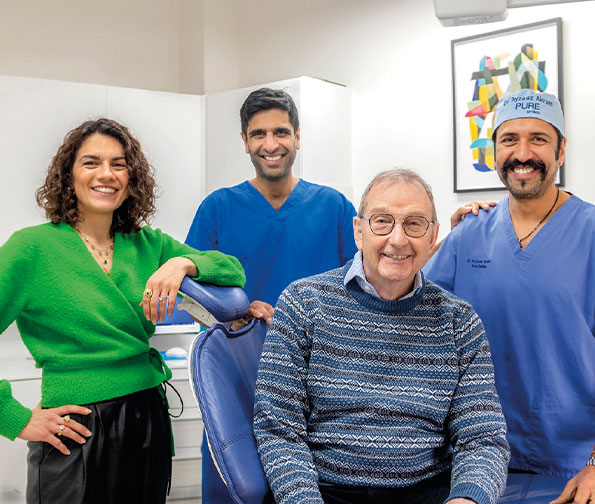
Good dental hygiene is not just important for preventing cavities and gum disease — it also plays a significant role in your overall health and self-confidence. At Pure Smiles in Fulham, our patients regularly ask the same questions about brushing, flossing, whitening, and general tooth care. Below, Dr Ayzaaz Akram (BDS Liverpool 1995, GDC 70996) answers the most frequently asked teeth questions.
Regular dental check-ups are the single most effective way to keep your teeth and gums healthy over the long term. A dentist does not just treat existing problems — they identify early warning signs before issues become painful or expensive to fix.
The NHS recommends dental visits at intervals of between 3 and 24 months, depending on your risk level. For most adults, a check-up every six months is ideal. During each visit, your dentist will:
Skipping regular visits is not a good strategy, even if your teeth feel fine. Many dental conditions, including early-stage gum disease, are painless until they become advanced.
Yes, flossing is necessary. Brushing alone only cleans about 60% of your tooth surfaces. The remaining 40% — the spaces between your teeth and just below the gumline — can only be reached with floss or interdental brushes.
When plaque is not removed from these areas, it hardens into tartar within 24 to 48 hours. Tartar cannot be removed at home and requires professional cleaning. Over time, tartar build-up leads to [gum disease]learn more and tooth decay.
You should floss at least once a day, ideally before brushing in the evening. If you find traditional floss difficult to use, interdental brushes or water flossers are effective alternatives.
The best brushing routine involves cleaning your teeth twice a day for two minutes each time, using a soft-bristled toothbrush and fluoride toothpaste. The British Dental Association recommends the following approach:
| Step | Action | Why It Matters |
|---|---|---|
| 1 | Angle the brush at 45 degrees to the gumline | Removes plaque where gums meet teeth |
| 2 | Use gentle circular or short back-and-forth strokes | Prevents enamel wear and gum recession |
| 3 | Brush all surfaces: outer, inner, and chewing | Ensures complete plaque removal |
| 4 | Spit, do not rinse after brushing | Allows fluoride to continue protecting teeth |
Replace your toothbrush every three months, or sooner if the bristles are frayed. An electric toothbrush with a built-in timer can help you maintain a consistent two-minute routine.
Fluoride toothpaste is recommended by virtually every dental organisation in the world, and for good reason. Fluoride strengthens tooth enamel, makes teeth more resistant to acid attacks from plaque bacteria, and can even reverse very early stages of decay.
Adults should use toothpaste containing at least 1,350 ppm fluoride. Children aged 3 to 6 should use a pea-sized amount of the same strength toothpaste. Fluoride is not harmful at these concentrations — it is one of the most evidence-backed preventive measures in dentistry.
The safest and most effective way to whiten your teeth is through a dentist-supervised treatment. At Pure Smiles, we use Enlighten Evolution teeth whitening, which delivers predictable, long-lasting results without damaging your enamel.
Over-the-counter whitening strips and kits purchased online are not regulated to the same standard. Many contain concentrations of hydrogen peroxide that are either too low to be effective or too high to be safe. Some products sold online are illegal in the UK and can cause permanent enamel damage and chemical burns to your gums.
Professional whitening is not the same as DIY kits — it is a controlled clinical treatment that produces better results with fewer risks. [Learn more about our teeth whitening options]learn more.
Pain is the most obvious sign of a dental problem, but it is not the only one. You should book a dental appointment if you notice any of the following:
Even minor symptoms can indicate the early stages of a more serious condition. Early treatment is almost always simpler, less invasive, and less costly than delayed treatment.
Coffee can stain your teeth over time because it contains chromogens — pigmented compounds that bind to tooth enamel. It is also mildly acidic, which can soften enamel temporarily after drinking.
Tea is actually worse than coffee for staining because it contains higher levels of tannins. However, neither drink needs to be eliminated from your diet entirely. You can reduce staining by:
Replace your toothbrush or electric toothbrush head every three months. Worn bristles are significantly less effective at removing plaque and can harbour bacteria.
No, mouthwash is not a substitute for brushing and flossing. It can be a useful addition to your routine — particularly antibacterial or fluoride rinses — but it cannot physically remove plaque from tooth surfaces.
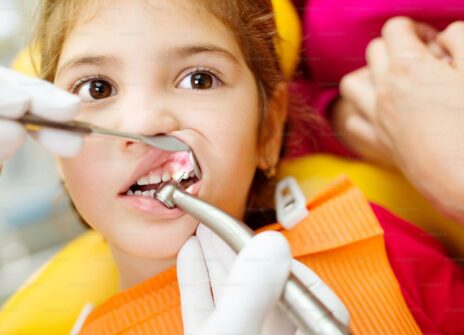
Children should visit a dentist as soon as their first teeth appear, or by their first birthday. Early visits help establish good habits and allow the dentist to monitor development.
Yes, chewing sugar-free gum after meals stimulates saliva production, which helps neutralise acids and wash away food particles. It is not a replacement for brushing, but it is a helpful supplement.
If you have a question about your dental health that has not been covered here, or if you are due for a check-up, the team at Pure Smiles is here to help. We welcome patients of all ages at both of our Fulham locations.
[Book an appointment online]learn more or call us to speak with a member of our team.