Teeth whitening is the most popular cosmetic dental treatment in the UK, yet it is also one of the most misunderstood. Misinformation about whitening can lead patients to damage their teeth with unsafe products or avoid treatment altogether based on unfounded fears. At Pure Smiles in Fulham, we help patients separate fact from fiction so they can achieve a brighter smile safely.
No, professional teeth whitening does not damage your enamel. This is one of the most persistent myths in cosmetic dentistry.
The whitening process uses a bleaching agent, typically hydrogen peroxide or carbamide peroxide, that opens the pores of the tooth surface temporarily. The active ingredient penetrates the enamel to break down stain molecules within the tooth structure. It does not strip or remove enamel layers.
Professional whitening carried out by a qualified dentist is carefully controlled to minimise sensitivity while maximising results. The concentration levels, application time, and technique are all tailored to each patient.
| Factor | Professional Whitening | Shop-Bought Kits |
|---|---|---|
| Active ingredient strength | Higher concentration (supervised) | Lower concentration |
| Custom fit | Trays moulded to your teeth | One-size-fits-all trays |
| Supervision | Dentist monitors progress | No professional oversight |
| Results timeline | Faster, more even results | Slower, inconsistent |
| Safety | Gum protection applied | Risk of gum irritation |
| Cost | Higher upfront, longer lasting | Cheaper but less effective |
Teeth whitening is not suitable for everyone. A dental assessment is essential before starting any whitening treatment.
Whitening works best on teeth with yellow or brown staining caused by food, drink, or tobacco. It is not effective on grey discolouration, which may have different underlying causes. Whitening also does not change the colour of crowns, fillings, veneers, or dentures, so these restorations may need replacing to match your newly whitened teeth.
Your dentist will check for:
At Pure Smiles, Dr Ayzaaz Akram assesses every patient individually before recommending teeth whitening treatment to ensure it is the right option for their needs.
Whitening results are not permanent. The effects typically last between six months and two years, depending on your lifestyle and oral hygiene habits.
Your teeth are continuously exposed to staining substances in everyday food and drink. The most common culprits include:
To extend your whitening results, rinse your mouth with water after consuming staining foods, maintain a thorough oral hygiene routine, and attend regular dental check-ups. Many patients use top-up treatments every 12 to 18 months to maintain their brightness.
Online whitening gels are not regulated to the same standard as professional products, and some contain unsafe levels of hydrogen peroxide.
In the UK, the legal limit for hydrogen peroxide in over-the-counter whitening products is 0.1%. Products containing between 0.1% and 6% hydrogen peroxide can only legally be supplied by a dental professional. Some products sold online from overseas contain concentrations far exceeding safe limits, which can cause chemical burns to the gums and permanent enamel damage.
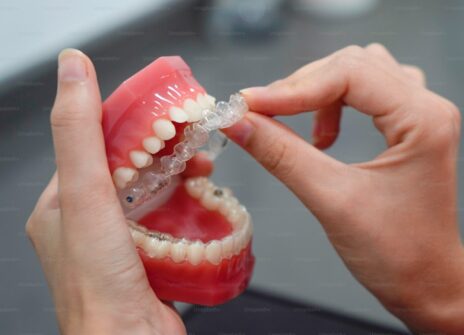
Professional whitening gels are pharmaceutical grade and are applied under controlled conditions. Your dentist can also provide custom-made whitening trays that fit your teeth precisely, ensuring even coverage and reducing the risk of gel contacting your gums.
Charcoal toothpaste is not a safe or effective alternative to professional whitening. While it may remove some surface stains through abrasion, it can wear down enamel over time. The British Dental Association has raised concerns about the abrasiveness of charcoal-based products, and there is no clinical evidence that they whiten teeth beyond removing surface staining.
If you are considering teeth whitening, the safest and most effective approach is to start with a professional consultation. At Pure Smiles, we offer cosmetic dentistry consultations at both our New Kings Road and Fulham Road practices. Our team will assess your suitability, discuss realistic expectations, and recommend the best treatment plan for your smile.
learn more to book your whitening consultation, or call us on 020 7736 6276.
Teeth whitening is not recommended during pregnancy or breastfeeding. While there is no definitive evidence of harm, most dentists advise waiting as a precaution. Your dentist can discuss timing once you are ready.
Results vary depending on the type and severity of staining, your natural tooth colour, and the whitening method used. Most patients see an improvement of several shades. Your dentist will discuss realistic expectations during your consultation.
No, sensitivity from professional whitening is temporary and typically resolves within a few days of completing treatment. Your dentist may recommend a desensitising toothpaste before and after the procedure to minimise discomfort.
Whitening will not change the colour of existing fillings, crowns, or veneers. If you have visible restorations, your dentist may recommend whitening your natural teeth first, then replacing the restorations to match your new shade.
Professional whitening can typically be repeated every 12 to 18 months. Over-whitening can lead to increased sensitivity and a translucent appearance at the edges of teeth. Your dentist will advise on a safe maintenance schedule.