Smiling triggers the release of endorphins and serotonin — natural mood-boosting chemicals that act as pain relievers and anti-depressants. But if you are self-conscious about the appearance of your teeth, you may hold back from smiling, which means missing out on those benefits. Updating your daily oral hygiene routine is one of the simplest and most cost-effective ways to improve how your teeth look and feel.
A confident smile is not only achieved through cosmetic dental treatments. It is often the result of consistent, effective daily oral care that keeps teeth clean, gums healthy and breath fresh.
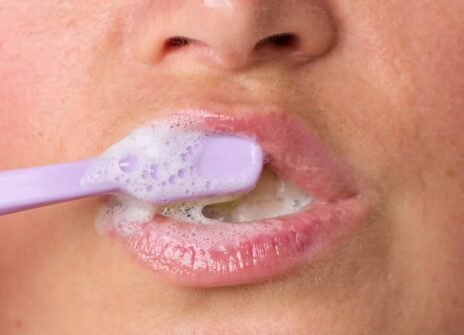
Most dentists recommend brushing for a full two minutes, morning and evening. Research shows that the average person brushes for less than 60 seconds — less than half the recommended time.
| Method | How It Works |
|---|---|
| Phone timer | Set a two-minute timer before you start brushing |
| Electric toothbrush timer | Most electric toothbrushes have a built-in two-minute timer with 30-second interval alerts |
| Brushing app | Several free apps guide you through a two-minute brushing routine |
Spend roughly 30 seconds on each quadrant of your mouth (upper right, upper left, lower right, lower left) to ensure even coverage. Do not forget to brush your tongue, which harbours bacteria that cause bad breath.
Brushing alone only cleans approximately two-thirds of your tooth surfaces. The gaps between your teeth — where cavities and gum disease most commonly start — require flossing or interdental brushes.
Only around 30% of adults in the UK floss regularly. Adding this single step to your routine can make a significant difference to both your dental health and the appearance of your smile.
Flossing is not only for removing visible food. It is primarily for disrupting the invisible bacterial plaque that forms between teeth every day. learn more
Using products suited to your specific needs makes your routine more effective. Not all toothbrushes, toothpastes and mouthwashes are the same.
| Product | What to Look For | Why It Matters |
|---|---|---|
| Toothbrush | Soft or medium-soft bristles; compact head | Cleans effectively without damaging enamel or gums |
| Toothpaste | Contains fluoride (minimum 1350ppm for adults) | Strengthens enamel and prevents cavities |
| Sensitive toothpaste | Contains potassium nitrate and stannous fluoride | Soothes nerve sensitivity and protects exposed dentine |
| Interdental brushes | Correct size for your tooth gaps | More effective than floss for many patients |
| Mouthwash | Fluoride-based; alcohol-free preferred | Reduces bacteria; use at a different time from brushing |
If you are unsure which products are right for your mouth, ask your hygienist at Pure Smiles during your next appointment. They can recommend specific brands and sizes based on your teeth and gum condition. learn more
Keeping a simple record of your oral hygiene habits helps you stay consistent and notice improvements. You can:
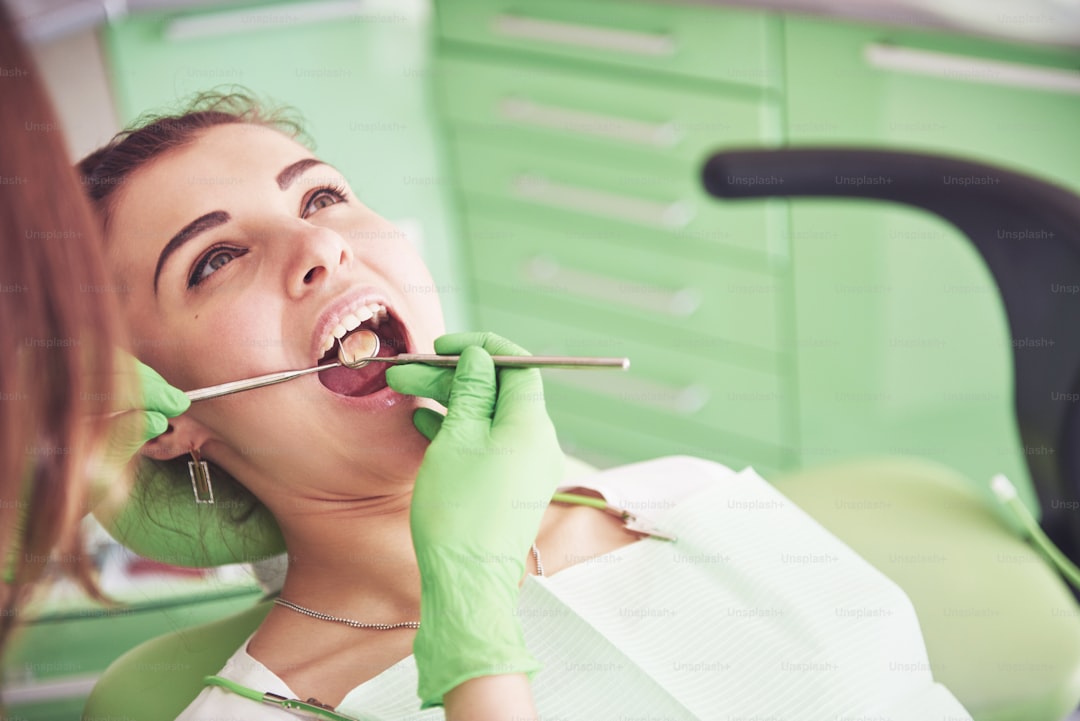
The most effective way to maintain a confident smile is to combine good home care with regular professional check-ups. Your dentist identifies problems early, and your hygienist removes plaque and staining that home care cannot reach.
At Pure Smiles, we recommend check-ups every six months at minimum, with hygiene appointments scheduled in between. learn more
Whether you want a hygiene clean, advice on your routine, or a full dental check-up, Pure Smiles is here to help. We have two practices in Fulham: 257 New Kings Road, SW6 4RB and 750a Fulham Road, SW6 5SH.
Call 020 7736 6276 to book. learn more
Brush for a full two minutes, twice a day — once in the morning and once before bed. Use a timer if you find it hard to judge two minutes accurately.
No. Using mouthwash immediately after brushing rinses away the fluoride from your toothpaste. Use mouthwash at a separate time, such as after lunch, to get the full benefit of both products.
Replace your toothbrush every three months, or sooner if the bristles become splayed. Worn bristles are significantly less effective at removing plaque.
If you are not already flossing daily, adding flossing is likely to have the greatest impact. It cleans the areas where cavities and gum disease most commonly develop — areas that brushing alone cannot reach.