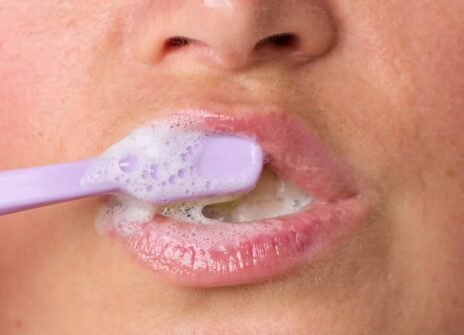
Your toothbrush is the single most important tool in your daily oral hygiene routine, but it can only do its job if you look after it properly. A worn, contaminated or poorly stored toothbrush does not remove plaque effectively and may actually introduce more bacteria into your mouth.
At Pure Smiles in Fulham, we regularly see patients who brush diligently twice a day yet still develop plaque buildup and early gum disease. In many cases, the issue is not their brushing technique but the condition of their toothbrush itself. Here is what you need to know about keeping your toothbrush clean, storing it correctly and knowing when to replace it.
You should replace your toothbrush every three months, or sooner if the bristles are visibly frayed or splayed. A toothbrush with worn bristles is significantly less effective at removing plaque from your teeth and gum line.
You should also replace your toothbrush after any illness, including colds, flu or throat infections. Bacteria and viruses can survive on bristles for days, and continuing to use the same brush risks reintroducing those pathogens into your mouth.
| Replacement Trigger | Why It Matters |
|---|---|
| **Every 3 months** | Bristles lose stiffness and cleaning effectiveness over time |
| **After illness** | Bacteria and viruses can linger on bristles |
| **Frayed bristles** | Splayed bristles cannot reach between teeth or along the gum line |
| **Discolouration** | Staining may indicate bacterial or mould contamination |
Most people rinse their toothbrush briefly after brushing and put it straight back in the holder. That is not enough. You should rinse your toothbrush thoroughly under hot running water both before and after each use.
Before brushing: Hold the brush under hot water and use your thumb to work through the bristles in a back-and-forth motion. This loosens any dried debris or bacteria that may have settled since your last brush.
After brushing: Rinse the bristles thoroughly under running water to remove all toothpaste residue, food particles and bacteria. Shake off excess water and store the brush upright to air dry.
For a deeper clean, you can soak your toothbrush in diluted antibacterial mouthwash for ten minutes, or in a solution of water mixed with a teaspoon of baking soda. Both methods help to reduce bacterial contamination between uses.
Proper storage is just as important as cleaning. The way you store your toothbrush directly affects how much bacteria it harbours between uses.
Store it upright. Always place your toothbrush in a holder with the bristles pointing upward. Storing it bristle-down traps moisture and creates an environment where bacteria thrive.
Keep it uncovered. Toothbrush caps and travel cases are designed for transport, not daily storage. Covering the bristles creates a warm, moist, oxygen-poor environment. This is the ideal breeding ground for anaerobic bacteria, which are the same organisms responsible for learn more gum disease.
Use an open holder. Choose a toothbrush holder with an open bottom and good ventilation. Clean the holder itself at least once a week to prevent buildup of moisture, toothpaste residue and bacteria.
Keep bristles separated. If multiple toothbrushes share a holder, make sure the bristles do not touch each other. Contact between brushes allows cross-contamination of bacteria between household members.
Even with good intentions, many people make small errors that undermine their toothbrush hygiene. These are the most common mistakes we see at our Fulham practice:
Good toothbrush care is one part of a complete oral hygiene routine. Regular professional cleaning removes plaque and tartar that even the best-maintained toothbrush cannot reach.
At Pure Smiles, we have been helping Fulham families maintain healthy teeth and gums since 2009. Dr Ayzaaz Akram (BDS University of Liverpool 1995, GDC 70996) and our hygiene team provide personalised advice on brushing technique, toothbrush selection and daily care.
Visit us at either of our two Fulham practices:
To book a learn more hygiene appointment, call us on 020 7736 6276 or learn more contact us online.
—
Replace your toothbrush every three months, or sooner if the bristles appear frayed, splayed or discoloured. You should also replace it immediately after recovering from any illness to avoid reintroducing bacteria into your mouth.
No, not for daily storage. Toothbrush covers and caps create a damp, enclosed environment that encourages anaerobic bacteria to grow. They are designed only for travel. At home, store your toothbrush upright and uncovered in a well-ventilated holder.
Both can be effective when used correctly. Electric toothbrushes with oscillating heads are generally more efficient at disrupting plaque biofilm, and many patients find it easier to maintain the recommended two-minute brushing time with an electric model. Your dentist or hygienist at Pure Smiles can recommend the best option for your specific needs.
Yes. You can soak your toothbrush in diluted antibacterial mouthwash or a baking soda solution for ten minutes to reduce bacterial contamination. Do not boil your toothbrush or place it in the dishwasher, as high heat can damage the bristles and reduce their effectiveness.