Tooth sensitivity occurs when the protective enamel layer on your teeth wears down, exposing the underlying dentine and its microscopic nerve endings. These exposed nerves react to temperature extremes, causing sharp, uncomfortable sensations when you eat or drink something hot, cold, sweet, or acidic. Sensitivity is not a condition you have to live with — it can be managed and often significantly reduced through changes to your daily routine and professional dental treatment.
At Pure Smiles in Fulham, we help patients identify the cause of their tooth sensitivity and develop a plan to address it effectively.
A desensitising toothpaste is not a cure, but it is an effective first step. Look for a brand that contains potassium nitrate and strontium chloride — these ingredients work by blocking the nerve signals in your teeth that cause sensitivity. The key requirement is consistency: you must use desensitising toothpaste as your regular toothpaste for it to have a lasting effect. Switching back and forth between brands will reduce its effectiveness.
Brushing your teeth immediately after eating or drinking is counterproductive when you have sensitive teeth. The acids in food and beverages temporarily soften your enamel, and brushing during this window can push the acid deeper into the tooth surface, accelerating enamel erosion. Wait at least 30 minutes after eating before you brush to allow your saliva to neutralise the acids naturally.
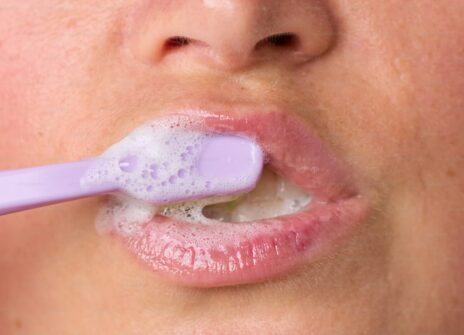
How you brush matters as much as how often you brush. A hard side-to-side scrubbing motion, particularly near the gumline, strips enamel faster and can cause gum recession, further exposing sensitive areas. The correct technique is:
Fluoride strengthens enamel by promoting remineralisation — the natural process by which minerals are deposited back into weakened tooth surfaces. A high-fluoride mouthwash creates a protective barrier that resists the bacterial acids responsible for enamel erosion and decay. Avoid mouthwashes that contain high levels of alcohol, as these can dry out your mouth and worsen sensitivity over time.
Many people grind their teeth (bruxism) without realising it, particularly during sleep or periods of stress. Grinding wears down enamel rapidly and is one of the most common causes of sensitivity that patients overlook. A professionally fitted mouthguard protects your teeth from grinding damage overnight, preserving your remaining enamel and preventing further sensitivity.
| Tip | What It Does | How Quickly It Helps |
|---|---|---|
| Desensitising toothpaste | Blocks nerve signals in exposed dentine | 2–4 weeks of consistent use |
| Waiting 30 minutes to brush | Prevents acid being pushed into softened enamel | Immediate benefit |
| Correct brushing technique | Stops enamel and gum erosion from overbrushing | Gradual improvement |
| High-fluoride mouthwash | Strengthens and remineralises enamel | Gradual improvement |
| Mouthguard for grinding | Protects enamel from mechanical wear | Immediate protection |
If your sensitivity persists despite following these tips, or if it is severe enough to affect your daily eating and drinking, a professional assessment is essential. At Pure Smiles, we can:
Tooth sensitivity is not something to simply endure. In most cases, the cause is identifiable and treatable.
Understanding what damages your enamel helps you prevent further sensitivity:
Enamel does not regenerate once lost. Prevention is always preferable to treatment.
Sudden sensitivity is usually caused by enamel erosion, a cracked tooth, a new cavity, or gum recession that exposes the tooth root. If sensitivity appears suddenly, book a dental appointment to identify the specific cause rather than relying on home remedies alone.
Yes, when used consistently. Desensitising toothpastes containing potassium nitrate take approximately two to four weeks of regular use to produce noticeable results. They work by gradually blocking the nerve pathways in exposed dentine.
In many cases, yes. Depending on the cause, treatments such as fluoride application, dental bonding, gum grafting, or fitting a crown can resolve sensitivity permanently. The first step is a professional assessment to determine the underlying cause.
It may be. Bruxism is one of the most common and most overlooked causes of tooth sensitivity. If you wake with jaw pain, headaches, or notice flat, worn tooth surfaces, discuss bruxism with your dentist. A custom mouthguard can prevent further damage.
Pure Smiles offers sensitivity assessments and treatments at both our Fulham locations: 257 New Kings Road, SW6 4RB, and 750a Fulham Road, SW6 5SH. Call 020 7736 6276 to book an appointment with our team.