Aching gums are most commonly caused by plaque buildup from insufficient brushing and flossing, brushing too aggressively with the wrong toothbrush, or a diet high in sugar and acidic foods. Sore gums are not normal and should not be ignored — they are often the first sign that something in your oral health routine needs to change, or that an underlying condition such as gum disease is developing.
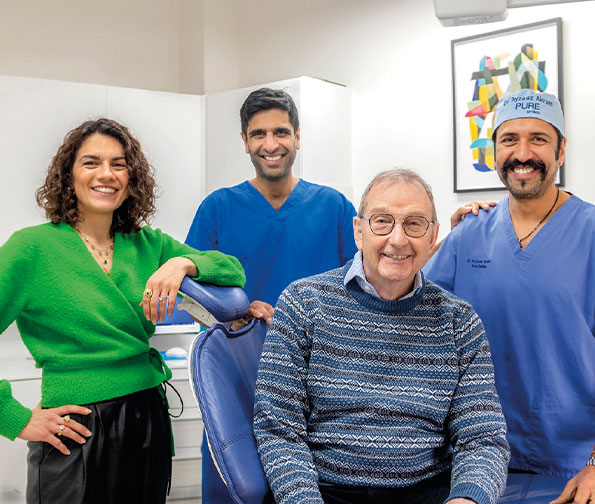
At Pure Smiles in Fulham, our dental and hygiene team help patients identify the cause of their gum discomfort and provide practical, lasting solutions.
When brushing and flossing are insufficient or inconsistent, bacteria accumulate in the mouth and form plaque — a sticky film that coats the teeth and gumline. Over time, plaque hardens into tartar, which irritates and inflames the gum tissue. This inflammation is the primary cause of aching, tender, and bleeding gums.
Brushing and flossing are not just preventative measures against cavities. They are essential for maintaining healthy gum tissue and preventing the progression from mild irritation to gingivitis and periodontitis.
Ironically, some patients damage their gums by brushing too enthusiastically. Aggressive brushing with a hard-bristled toothbrush causes:
The solution is not to brush less, but to brush correctly. Use a soft-bristled or electric toothbrush with gentle pressure, and brush at a 45-degree angle to the gumline using small circular motions.
What you consume directly affects your gum health:
| Dietary Factor | Effect on Gums |
|---|---|
| Excess sugar | Feeds bacteria that produce plaque and cause inflammation |
| Acidic foods (citrus, vinegar) | Erodes enamel and irritates gum tissue |
| Alcohol | Dries out the mouth, reducing saliva’s protective effect |
| Smoking | Restricts blood flow to gums, impairing healing and increasing disease risk |
Citrus fruits offer nutritional benefits, but their high acid content can harm your teeth and gums when consumed in excess. Eat them as part of a balanced diet rather than as a frequent snack.
Hormonal fluctuations during pregnancy, menstruation, and menopause can increase blood flow to the gums, making them more sensitive, swollen, and prone to bleeding. This condition, sometimes called pregnancy gingivitis, is temporary but should still be monitored by a dentist to prevent it from developing into a more serious form of gum disease.
Certain medical conditions and medications can cause or worsen gum soreness:
If you are taking any medications, inform your dentist so they can monitor your gum health accordingly.
Improving your daily routine is the first and most important step:
When home care is not enough, or if your gum soreness persists for more than two weeks, professional treatment is essential. At Pure Smiles, our dental hygienists provide:
Dr Ayzaaz Akram (BDS Liverpool, GDC 70996) and the Pure Smiles team take a no-judgement approach to gum health. Our philosophy is simple: no lectures, no guilt trips — just practical advice and professional care from a team that genuinely wants to help.
Book an appointment if you experience any of the following:
These symptoms can indicate active gum disease that requires professional intervention. The earlier treatment begins, the better the outcome.
No. Occasional mild sensitivity can occur, but persistent or recurring gum pain is a sign of an underlying issue such as poor oral hygiene, gum disease, or an incorrect brushing technique. It should be assessed by a dental professional.
Mild gum irritation caused by temporary factors (such as a small injury from food or a new toothbrush) can heal on its own within a few days. However, gum soreness caused by plaque buildup, gum disease, or dietary factors will not resolve without changes to your hygiene routine and, in many cases, professional cleaning.
Use a soft-bristled manual toothbrush or an electric toothbrush with a pressure sensor. Avoid hard-bristled brushes, and brush gently at a 45-degree angle to the gumline. Our hygiene team at Pure Smiles can demonstrate the correct technique during your appointment.
Yes. Smoking is one of the leading risk factors for gum disease. It restricts blood flow to the gums, weakens the immune response, and slows healing. Smokers are significantly more likely to develop periodontitis and experience tooth loss compared to non-smokers.
Pure Smiles offers gum health assessments and hygienist treatments at both our Fulham locations: 257 New Kings Road, SW6 4RB, and 750a Fulham Road, SW6 5SH. Call 020 7736 6276 to book an appointment.